
Amino Acids are wondrous things. Once you learn what they do in the body, you're almost struck with amazement.
They fulfill the basic foundations of well-being like vitamins and minerals whilst also optimizing those micronutrients and providing the fuel for growth, health, good functioning of the body and genetic transcription. If I were to go into a rant about amino acids and their many functions I could easily fill a book.
As a matter of fact, if I went into describing the uses of every amino acid separately I'd already have a nice novella. That's why I'm only going to discuss the ones that could be of potent benefit to the athlete. That's probably still going to justify several pages.
What Are Amino Acids?
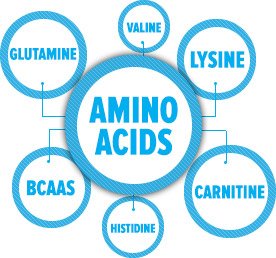
Well, amino acids in food make up protein. When protein is digested it is once again broken down into specific amino acids, that are then selectively put together for different uses. These new proteins formed in the body are what make up most solid matter in the body: skin, eyes, heart, intestines, bones and, of course, muscle.
That's why understanding what each of these aminos can do and getting more of them in your diet can be very beneficial to reaching specific goals, such as muscle building. Of course, one mustn't exaggerate, because a good protein balance is what provides health and stability, without it any of the amino acids can become toxic.
An issue that has been brought up in the case of phenylalanine, but holds true for all amino acids. To counter potential harmful effects, getting enough vitamins and minerals is important because they insure proper conversion of protein to amino and vice versa.
Depending on who you talk to, there are around 20 to 22 standard amino acids. Of those 20-22, 8 to 10 of them are considered essential, which means that you need to get a certain amount of them in your diet to function properly - our bodies cannot synthesize them from other materials, so we only get them from food.
Since aminos are the building blocks of protein, I'm sure you get plenty of all of them, but this article will show you the benefits of supplementing with extra free form amino acids, going in to deep detail of what too much or too little of several of them can do, what they do in the body and how much and when you should use them.
Next to the 8 essential amino acids, there are around 14 non-essential amino acids and a whole host of other metabolites classed as amino acids which are derived from the 8 essential ones. Next to the 8 essential aminos, I will try to discuss a number of them that have made the headlines recently: L-Glutamine, L-Arginine, L-Carnitine, L-Cysteine, and HMB.
The 8 Essential Amino Acids
Understanding the essentials and trying to optimize them in your diet should be basic knowledge for any bodybuilder.
A complete spectrum of amino acids and optimum health can only be brought forth by gearing your protein intake to these 8 aminos. So even if you aren't even considering supplementing with free forms, at least peruse these next 8 paragraphs and learn.
Histidine
In the human body, histidine is needed for the growth and repair of tissue of all kind. It plays a key role in the maintenance and manufacture of glial nerve cells called oligo-dendrocytes which wrap themselves around your nerves to form a protective sheath called myelin.
This prevents unintended impulses that can obviously lead to serious defects in the brain and spinal cord. As if it didn't have enough work, histidine is also a manufacturer of both red and white blood cells.
It also helps in radiation protection and removing excess heavy metals (such as iron) from the body. In the stomach, it produces gastric juices that may speed up and improve digestion, so it's a helpful tool in fighting indigestion and gastro-intestinal disorders.
It is a precursor to the non-essential amino acid histamine, which is released by the immune system as a response to allergic reactions. It has also been linked in recent studies to longer orgasms and better sexual enjoyment for those of you who are having a little trouble in that area...
Bodybuilder Summary
Use To Bodybuilders: Minimal, only in improving digestion
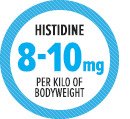
Dosage: Minimum of 1000 mg daily, but the recommendation is 8-10 mg a day per kilogram of bodyweight. Chances are you get at least two or three times that in your diet.
Overdosing: Too much histidine may lead to stress and the aggravation of mental disorders such as anxiety and schizophrenia.
Medical Uses: Used in the treating of arthritis and nerve deafness.
Sources: Found in dairy, meat, poultry, fish as well as rice, wheat and rye.
Deficiency: Unknown.
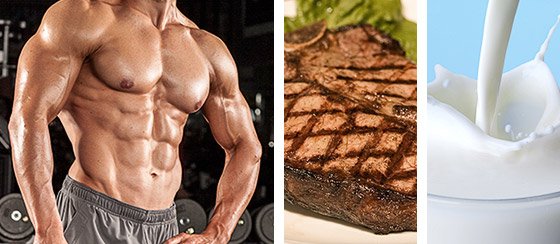
Uses: Improved digestion — Sources: Dairy, meat, fish, rice, wheat, and rye
Lysine
L-Lysine is one of the aminos that is of utmost importance to growth and development. It is used in the body for calcium absorption, which results in bone and muscle growth as well as fat mobilization for energy uses.
It maintains the nitrogen balance and helps to maintain lean body mass in periods of extreme stress and fatigue. It is also needed to produce antibodies, hormones (GH, testosterone, insulin, you name it), enzymes, collagen and to repair damaged tissue, much like histidine and most of the essential amino acids.
Next to maintaining it, it also helps to build new muscle protein. And the cardiovascular benefits include the maintenance of healthy blood vessels.
Bodybuilder Summary
Use To Bodybuilders: Next to the maintenance and manufacture of muscle protein, Lysine plays a role in revitalizing the body to combat fatigue and overtraining and it maintains a positive nitrogen balance, creating an anabolic environment within the body.
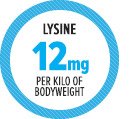
Dosage: Normal recommendation is 12 mg per kilo of bodyweight, but daily intake exceeds that, and even when taking in 1.5 grams of protein per pound of bodyweight, a couple of extra mg won't hurt. It's a priority amino acid to the athlete. but beware of overdosing.
Overdosing: Could result in higher LDL cholesterol, diarrhea and gallstones.
Medical Uses:Treating of cold sores and lack of energy.
Sources: Cheese, eggs, milk, meat, yeast, potatoes and lima beans.
Deficiency: May lead to enzyme disorders, lack of energy, hair loss (common for protein shortage), weight loss, no appetite and loss of concentration.
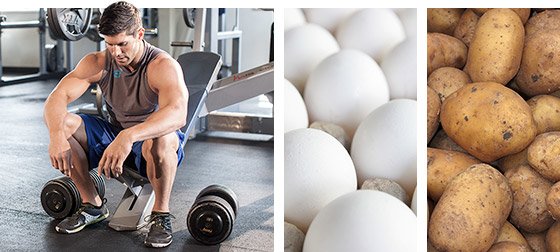
Uses: Combats fatigue and overtraining — Sources: Cheese, eggs, milk, meat, yeast, potatoes, and lima beans
Phenylalanine
Phenylalanine is, or rather was, a hot topic. Some people seem to react rather badly to it, and a lot of heck was raised about it being used in products. Things have calmed down and studies have shown that there is no harm in it for healthy people.
It elevates the mood by stimulating the nerve system, and may be important to staying motivated for whatever reason. It aids memory and together with its derivative, glutamine, is considered a smart-vitamin (though they aren't vitamins).
It increases levels of epinephrine, nor-epinephrine, and dopamine in the anterior pituitary. All three are important neurotransmitters needed for optimum operation of the nerve system. It also helps the absorption of UV rays in sunlight, which in turn gives a higher rate of Vitamin D, a strong body hormone.
Its main metabolite is tyrosine which increases levels of dopamine and nor-epinephrine, as stated above. It's also one of the manufacturers of glutamine, the amino acid that makes up the largest part of the amino acid pool.
Phenylalanine often gets a bad wrap in the press. It is used as a non-carbohydrate sweetener in many soft drinks (combined with aspartic acid, as aspartame) and made headlines recently when some claimed it was hazardous to the brain, and then later it was linked to carcinogenic risk.
Toxic levels of phenylalanine can indeed be lethal, but trust me, so can anything else. If I put a gun to your head and made you drink twenty gallons of purified water, you'd be dead too. And that's water. Imagine what vitamins or minerals could do?
Yet somehow I doubt anyone feels vitamins are an evil poison, put on earth to kill you. Well, neither is phenylalanine. It's an essential amino acid, and most nutritionists will tell you that you are more likely to be deficient than run the risk of overdosing.
Toxic doses exceed 3 to 4 times the amount you would get on average from a diet containing 250-300 grams of protein daily. So that extra diet Coke won't kill you.
Bodybuilder Summary
Use To Bodybuilders: Apart from motivation and extra Vitamin D, Phenylalanine is of the use because of the nerve upgrading which will allow for maximal contraction and relaxation of the muscles. The DL-form is often supplemented as an endurance enhancer. Because of the toxicity level, this is never done long-term.
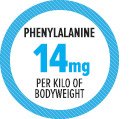
Dosage: Recommendation is 14 mg per kilo of bodyweight. You'll be getting more than that no doubt, and I see no need to increase that. Especially with the potential side-effects.
Overdosing: This is not a wise supplement to be taking by pregnant women and diabetics. It results in higher blood pressure, headaches, nausea, heart trouble and nerve damage.
Medical Uses: For treatment of arthritis and depression.
Sources: All dairy products, almonds, avocados, nuts, and seeds.
Deficiency: Its rare, but if it occurs it leads to weakness, lethargy, liver damage and stunted growth.
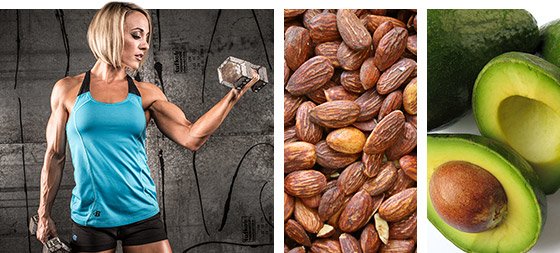
Uses: Allows maximal muscle contraction and relaxation — Sources: Dairy, almonds, avocados, nuts, and seeds
Methionine
I'll no doubt refer to the subject again when we discuss ZMA in a future article, but methionine assists in the breakdown and use of fats, which in turn yields a higher testosterone rate.
Together with zinc, that's how ZMA does its thing. It also eliminates excess fat from the bloodstream, resulting in less potential adipose (fat) tissue. It is key in digestion and the removal of heavy metals from the stomach and liver. It is a good anti-oxidant because it readily supplies sulfur, inactivates free radicals and helps with memory recall.
It is a precursor to cysteine, which is the amino that produces glutathione to detoxify the liver. It's also one of the three aminos that are needed to manufacture creatine monohydrate within the body, an essential compound for energy production and muscle growth.
Bodybuilder Summary
Use To Bodybuilders: Fat metabolization, better digestion and anti-oxidizing properties make this a valuable compound.
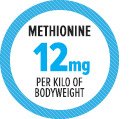
Dosage: 12 mg per kilo of bodyweight. If you think it may be a good idea to supplement this, you may as well invest in some ZMA. The supplement is cost-effective and yields higher results than just Methionine.
Overdosing: None, except in case of a shortage of B-Vitamins, in which case you are an easy target for arteriosclerosis.
Medical Uses: Used to treat depression, arthritis and liver disease.
Sources: Meat, fish, beans, eggs, garlic, lentils, onions, yogurt and seeds.
Deficiency: Causes dementia, fatty liver, slow growth, weakness, skin lesions and edema.
BCAAs
Branched-chain amino acids are held in high regard in bodybuilding circles and justly so. They are the three most important amino acids in the manufacture, maintenance and repair of muscle-tissue. All three exert a strong synergistic effect.
Using just Valine or Iso-leucine does little as far as anabolics is concerned but both, when dosed in the right amounts, enhance the effect of the all-important Leucine. As with certain other supplements, the relative dose is more important than the overall dose.
It is believed that a 2-1-2 equilibrium in Leucine/Iso-leucine/Valine dosing yields the best results. The dosages listed are the FDA recommendations for taking the individual BCAA's. BCAAs are used medically to treat headaches, dizziness, fatigue, depression and irritability as a result of protein deficiency.
BCAAs are always best used together. A little useful stack advice: BCAAs stack well with B-complex vitamins.
Leucine
Leucine, the strongest of the BCAAs, is responsible for the regulation of blood-sugar levels, the growth and repair of tissues in skin, bones and of course skeletal muscle.
It's a strong potentiator to Human Growth Hormone (HGH). It helps in healing wounds, regulating energy, and assists in the preventing the breakdown of muscle tissue.
Bodybuilder Summary
Use To Bodybuilders: Leucine may be one of the strongest natural anabolic agents in the world. It will not give you amazing results, however, simply because you are already taking in quite large amounts of it.
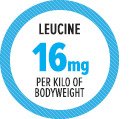
Dosage: 16 mg per kilo of bodyweight.
Overdosing: Unknown, may increase ammonia.
Medical Uses: Prevention of muscle-wasting in states of deprivation.
Sources: Found in nearly all protein sources, including brown rice, beans, nuts, and whole wheat.
Deficiency: Unknown.
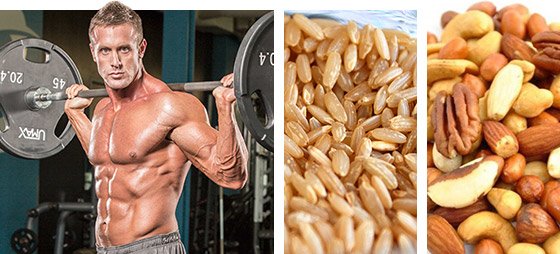
Uses: Natural anabolic agent — Sources: All protein sources including brown rice, beans, nuts, and whole wheat
Isoleucine
Very similar to leucine in most every way. Isoleucine promotes muscle recovery, regulates the blood-sugar levels and stimulates HGH release. But isoleucine holds its own in terms of wound healing.
It helps in the formation of hemoglobin and is strongly involved in the formation of blood-clots, the body's primary defense against infection through open wounds.
Bodybuilder Summary
Use To Bodybuilders: Of similar importance as leucine, Very important as part of the BCAA stack.
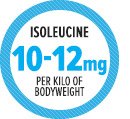
Dosage: 10-12 mg per kilo of bodyweight.
Overdosing: Causes elevated urination. No serious problems. May become serious if you have kidney or liver disease.
Medical Uses: Wound healing.
Sources: Chicken, cashews, fish, almonds, eggs, lentils, liver, meat.
Deficiency: Unknown.

Promotes muscle recovery — Sources: Chicken, cashews, fish, almonds, eggs, lentils, liver, and meat
Valine
Valine helps the repair and growth of muscle tissue, as commonly attributed to BCAAs. It maintains the nitrogen balance and preserves the use of glucose.
Bodybuilder Summary
Use To Bodybuilders: In combination with Isoleucine and Leucine.
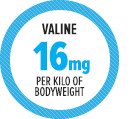
Dosage: 16 mg per kilo of bodyweight.
Overdosing: Crawling sensation in the skin is common, hallucination, may be hazardous to people with kidney and liver disease.
Medical Uses: None, not separately.
Sources: Dairy, meat, grain, mushrooms, soy, peanuts.
Deficiency: Leads to MSUD.
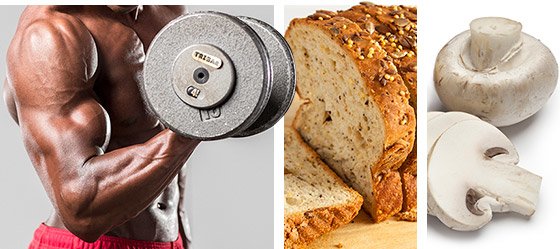
Uses: Promotes repair and growth of muscle tissue — Sources: Dairy, meat, mushrooms, soy, and peanuts
Threonine
An essential amino acid that is not manufactured within the body, ever. Since its main sources are animal (dairy and meat) this doesn't bode well to vegans. It's found in heart, skeletal muscle and nerve tissue in the central nervous system.
Threonine (reminds me of that chick on "Star Trek: Voyager") is used to form the body's two most important binding substances, collagen and elastin. It is also essential to maintain proper protein balance.
Threonine is involved in liver functioning, lipotropic functions (when combined with aspartic acid and methionine) and in the maintenance of the immune system by helping in the production of antibodies and promoting growth and activity of the thymus.
But perhaps its most useful property of all is that it allows better absorption of other nutrients, so protein sources containing threonine are more bio-available than others.
Bodybuilder Summary
Use To Bodybuilders: Absorption of protein, maintenance of muscle and important to good health.
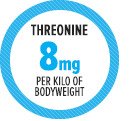
Dosage: 8 mg per kilo of bodyweight, generally advised in amounts of 100-500 mg when supplemented.
Overdosing: Not known.
Medical Uses: Treatment for mental health.
Sources: Meat, dairy, and eggs.
Deficiency: Irritability and being difficult, nothing severe. Less immunity against disease.
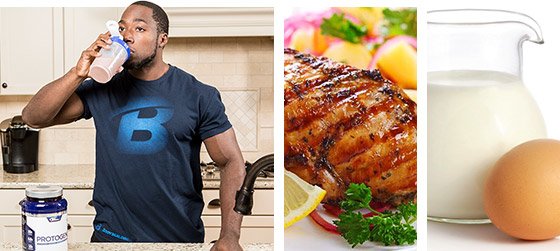
Uses: Absorption of protein — Sources: Meat, dairy, and eggs
The Most Important Non-Essential Amino Acids
The above information is knowledge that will empower you to understand why you need protein, but apart from BCAAs I know few people that take extra essential amino acids, simply because every bodybuilder with half a brain is already taking in at least ten to twenty times the recommended FDA doses, in some cases as much as 40 times.
But non-essential amino acids are produced only as the body needs them, and are not as omni-present in food as the essential ones are. So while we have more than enough non-essential amino acids, in some circumstances taking in extra free form versions may be beneficial.
Especially in circumstances where for one reason or another the body's reserve is in danger of being absorbed for less useful purposes. They are temporary solutions to temporary problems. But some would have you believe, vested interests can pay off big-time, that you should be taking them all the time.
Glutamine being case in point. Weider is the biggest distributor of free form L-Glutamine and FLEX magazine recommends you take in massive amounts of the stuff even when you don't need it. That Weider owns FLEX hasn't dawned on anyone yet apparently. But this goes for all non-essential amino acids. Here are the most popular ones.
Glutamine
L-Glutamine is a non-essential amino acid that is present in the body in large amounts. At some times it forms 60 percent of your total amino acid pool. Because it passes through the blood-brain barrier rather easily it's often called brain-food.
It may aid memory recall and concentration. In the brain it converts to glutamic acid, which is essential for brain functioning and increase GABA (gamma-amino-butyric-acid, another popular supplemented amino) needed or mental activities. It is used in synthesis of muscle-tissue.
We all know we need nitrogen to get big, but too much nitrogen in the body could cause ammonia in the brain. Glutamine helps to get rid of it by attaching itself to the nitrogen and forming glutamic acid, then escorts it out of the body. Glutamine is also one of the main building blocks in the genetic coding.
It is found in several strands of DNA and RNA, more than other amino's. And most important perhaps is that it balances the acid/alkaline level, so it reduces lactic acid.
It decreases the cravings for sweets which can be of use on a diet, and a metabolite of glutamine called Monosodium Glutamine (MSG), a salt, is used as a flavor enhancer. It has no real flavor of its own, but it can enhance the flavor of other products such as meat, fish and vegetables.
Glutamine has the downside of being more readily used as fuel for energy than some simple carbs. It is one of the preferred fuels of the intestines for example and a good source of energy throughout the body. So chances are more glutamine will not even be used for what you supplement it for. The body just doesn't use what it already has.
So, is glutamine a bad supplement? No. It's one of the best supplements currently on the market, but there is no way in hell you need to supplement with L-glutamine in a bulking phase. You should have plenty.
I asked some sources who could know (and don't have a vested interest in the stuff) and they said, and I quote: "In the presence of good health, supplementation is not necessary." That, my friends, is fact.
No company, other than commercial supplement companies, carry a glutamine product. But we all know they'll produce anything if they smell money, just look at vanadyl.
So, why bother? Well, In a dieting phase you will be lowering your carbs, and if you are cutting up for competition your carb intake will be so low you are in danger of using hard earned muscle-protein as fuel for your body. And what did I say is the preferred fuel of most tissues: glutamine.
So supplementing with extra Glutamine makes sense if you want to spare that hard-earned muscle. In fact in this instance it becomes necessary. I use the stuff myself. 15-25 grams can be supplemented and burned without touching the rest of the body's amino acid supply.
Some people suggest using 2 doses, but I can tell you as a competitor that you will get more benefit by using more. I prefer 5 doses of 5-7 grams, but that is a personal opinion, not a guideline. Keep in mind that it is expensive.
This is a supplement paradox: it is absolutely useless and a waste of money one moment, but a critical tool in success the next. Never dismiss the power of glutamine, despite the bad wrap I gave it. It can be worth your buck.
I just think it's more important to convince you of its overuse than of its merits, there are enough companies that will sell you on that.
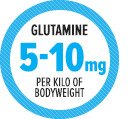
Bodybuilder Summary
Use To Bodybuilders: The preservation of muscle mass and the supplying of an alternate energy source in glucose deprivated conditions (diets and such).
Dosage: Don't go overboard. 5-10 grams can illicit an effect, but bodybuilders on low-carb diets for shows could go as high as 30-35.
Overdosing: Only dangerous in people with liver or kidney trouble.
Medical Uses: Sources: Large amounts in all high-protein foods.
Deficiency : Unknown, glutamine is the most manufactured protein in the body.
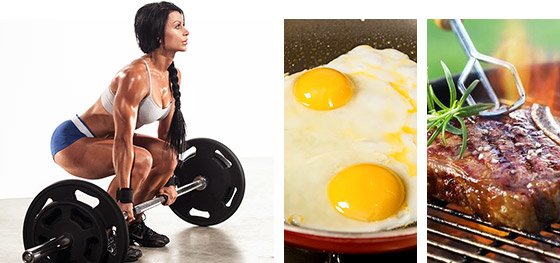
Uses: Alternate energy source during dieting phase — Sources: Large amounts in all high-protein foods
Arginine
Lately, L-Arginine is the hottest amino topic around, for the moment. Arginine is added to many supplements for its amazing nitrogen retention ability. Nitrogen as you are all aware is one of the key elements in muscle protein synthesis.
Some plants can absorb nitrogen, but we mammals have to make do with the stuff we make ourselves. Arginine is mostly present in protanines and histones, two proteins commonly associated with nucleic acids (like DNA and RNA). So far, its main use was for newborns to excite new growth, because at a young age its difficult to manufacture enough.
It enhances the immune system, and stimulates the size and activity of the thymus gland (responsible for the famous "T-cells"), which makes it a prime choice for anyone in a condition that is less than optimal for health, such as people recovering from injury and HIV patients.
The hormonal release properties include releasing insulin from the pancreas and a massive stimulator in the manufacture of GH from the anterior pituitary. But for GH, the metabolite arginine pyroglutamate because it passes the brain-blood barrier more easily.
It is often linked to sexual stimulus, with the notion that it may lengthen and improve orgasms. It is found in seminal fluid and was often used in studies to enhance the male sexual health and put forward as a cure for sterility.
So very useful in this day and age of environmental estrogens and not to be overlooked by steroid-users looking for a post-cycle boost. It also improves the health of the liver, skin and connective tissues and may lower cholesterol.
But mostly it facilitates muscle mass gain while limiting fat storage, because it keeps fat alive in the system and uses it. It's key in weight control.
Bodybuilder Summary
Use To Bodybuilders: Too many to name. If you read the above, I'm sure you'll realize that.
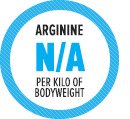
Dosage: No recommended dosage. I'm not even sure if anyone produces free-form arginine, but if you have two equal products and one contains more arginine, the choice should be simple. To supplement in large doses may lead to side effects, but getting protein powders and weight-gainers enriched with extra arginine makes sense.
Overdosing: Skin thickening and coarsening, weakness, diarrhea, nausea and loss of immunity to viruses. So it is not a smart idea for people with viral diseases.
Medical Uses: Treatment of sexual impairment, and often prescribed against high levels of cholesterol.
Sources: Whole-wheat, nuts and seeds, rice, chocolate, raisins, soy.
Deficiency: Impaired insulin production, hair loss. But hardly ever occurs in healthy people.
Precaution: Do not stack arginine with lysine because they compete for absorption.
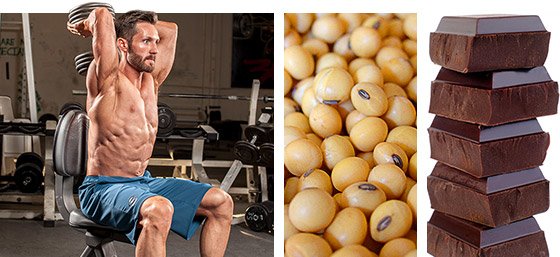
Uses: Facilitates muscle mass gain and limits fat storage — Sources: Whole wheat, nuts, seeds, rice, chocolate, raisins, and soy
Carnitine
As amino acids go, carnitine is quite the popular fellow. But the truth is, it's not really an amino acid at all! It's only classed as such because of a structural likeness.
It's more commonly known as "Vitamin BT". Carnitine actually comes in four forms: D-carnitine, DL-carnitine, L-carnitine and Acetyl-L-carnitine (ALC). Only the last two could be of actual use to bodybuilders.
When there is enough Thiamin (Vitamin B1) and pyridoxine (Vitamin B6) in circulation, it can trigger methionine and lysine to manufacture carnitine. Unlike the majority of amino's, and this is the reason why we consume as much protein as we do, it is not involved in protein synthesis.
Instead it is used for transport of long-chain fatty acids. It is nescessary for these fatty acids to enter and be removed from the inside of a cell, and also removes short-chain organic acids from the mitochondria in order to free mitochondrial coenzyme.
These characteristics have given it enormous media-attention in bodybuilding circles because optimal use of carnitine might lead to a decrease in body-fat percentage and more energy.
For health reasons, carnitine may also be beneficial to prevent fatty acid buildup within the heart, liver and muscle. Carnitine is a good idea in any case because it improves the anti-oxidizing effect of Vitamins C and E.
Carnitine is the only non-essential amino acid that should be considered for long-term use. For people needing to stay lean year long, it could be a very helpful tool. But here, too, I see no need to use it on a permanent basis, since a lot of it is present in protein-dense foods.
For competitive bodybuilders I would only suggest use when dieting, since the leaning out effect may impair the anabolic environment and consequently muscle-growth, but for those of you making a living as a model or a guest poser, carnitine could be your number one supplement for keeping lean year round.
For those of you supplementing carnitine, it is wise not to follow standard guidelines, but to calculate intake according to lean bodyweight.
Bodybuilder Summary
Use To Bodybuilders: Increase of ATP, better synthetic reception of glucocorticoids and the minimizing of fat buildup around the muscle.
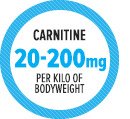
Dosage: Ranging from 20-200 mg seems to be the best choice.A need for carnitine is calculated according to muscle weight, so more muscle equals a higher need for carnitine.
Overdosing: Doses exceeding 3000 mg have been known to cause diarrhea and fish odor syndrome.
Medical Uses: Reducing the risk of poor fat metabolism in diabetics.
Sources: Fish, chicken, red meat and milk. Not found in vegetables.
Deficiency: Only in people with a carnitine transport-defect.
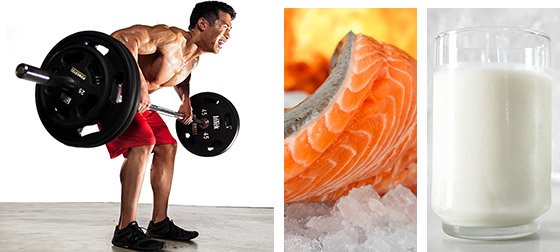
Uses: Increase of ATP — Sources: Fish, chicken, red meat, and milk
Cysteine
L-Cysteine is a sulfur-containing non-essential amino acid, making it a veritable favorite as an anti-oxidant. It's closely related to Cystine, which basically consists of 2 Cysteine molecules bonded together.
Cysteine is very unstable and almost immediately converts to Cystine when it gets the chance. Its not a true problem, because if the body needs it, it can easily convert it back to Cysteine. Its required for healthy skin, detoxification of the body (due to the sulfur-content) and the production of collagen (used for skin elasticity and texture).
That is why it is found most often in beta-keratin. (Keratin molecules are the things that make up hair, nails and such, and provide you with healthy skin. Keratin is a protein often formed and stored in skin tissue.)
Here is where cysteine proves its use as a vital component of life. It is the manufacturer of taurine, which is a compenent of glutathione. Gluthione in turn protects the brain and liver from damage by way of drugs, alcohol and other substances the body considers harmful.
Taurine is now found in many creatine products, but to what effect, no one seems to be able to tell me. Probably to get the most out of Lipoic acid, though I fail to see how it could be really useful even in that way.
It strengthens the protective lining of the stomach and intestines to prevent damage by products that are not wanted in the body (Which is why it is hard to get the most out of pills and medicin). But it does qualify as a very good liver protector.
Moreover, cysteine is critical to the metabolism of other very useful things to the bodybuilder, including coenzyme A, heparin, biotin (B-vitamin), and the praised alpha lipoic acid. It's manufactured from methionine.
Bodybuilder Summary
Use To Bodybuilders: Metabolizer of B-vitamins, detoxification of damage due to other supplements, and potentiating insulin.
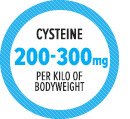
Dosage: 200-300 mg, two to three times daily.
Overdosing: Only possible in diabetics.
Medical Uses: Liver-protecting and easing of debilitating diseases.
Sources: Poultry, wheat, broccoli, eggs, garlic, onion, and peppers.
Deficiency: Unknown.
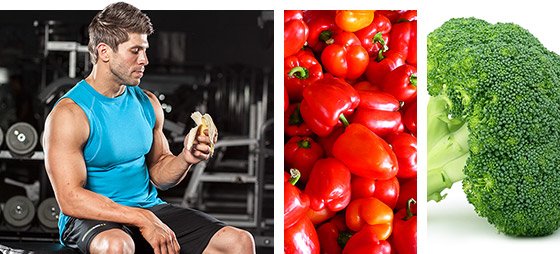
Uses: Metabolizer of B-vitamins — Sources: Poultry, wheat, broccoli, eggs, garlic, onion, and peppers
HMB
Beta-Hydroxy Beta-Methyl Butyrate (HMB) is a made from the essential branched chain amino acid leucine to carry out more specifically some of its functions.
HMB plays a role in muscle synthesis by increasing the rate of protein being used, leading to less fat storage of such molecules and contributing to the maintenance of muscle mass.
The more protein is being effectively used, the more muscle-protein you save from being used as an alternate fuel source in glucose-deprived states.
Not only does it improve the use of free amino acids in the body, it also prevents the use of engaged amino acids by minimizing protein breakdown. By maintaining the integrity and strength of the cell lining (membrane) it doesn't allow the protein stored in the cell to be used for alternate means.
In the body, it is said we can produce up to 1 gram daily. So naturally for those looking to supplement, significantly higher doses will be needed. I have my own feelings about HMB supplementation. I must say the first time I used it, I thought it was a waste of money.
Since then more research has shown that HMB is a worthy supplement, but at the doses needed to exert serious effects is way too costly. Prices for quality HMB have gone down, but at the current cost for isolating amino acids I have no idea if they will ever be cost-effective.
In a dieting stage HMB could be a lifesaver. By protecting the muscle protein, metabolizing fat and increasing the use of free aminos as energy it may help you reach your goals sooner. But the same can be said about carnitine and glutamine.
The decision lies with you on what you want to spend your money on. But unless you have high hopes of winning some kind of prize, I don't think your wallet will appreciate you taking them all along with your fat-burner.
If HMB is your thing, however, consider the doses. For maximum benefit, HMB should be taken over as many servings as possible. 6 are good, 8 are better and so on, but if you are the forgetful type, 3 servings will do.
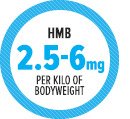
Total intake for a training day, when on a diet (I wouldn't recommend HMB as a good supplement in another situation), should be 4.5 to 6 grams depending on sex and age, and on non-training days 2.5 to 3 should serve you well.
Maintain use on non-training days because muscle wasting is an arduous process that doesn't take your schedule in to account. Again increase the dosage with lean body-weight.
Bodybuilder Summary
Use To Bodybuilders: Prevents muscle loss and fat storage in times of glucose-deprivation.
Dosage: 2.5 to 6 grams daily.
Overdosing: Unknown, so far no one could afford and overdose.
Medical Uses: None.
Sources: Present in many foods in trace amounts. Largest amounts found in catfish, grapefruit, and alfalfa.
Deficiency: Only in case of leucine shortage, unknown.
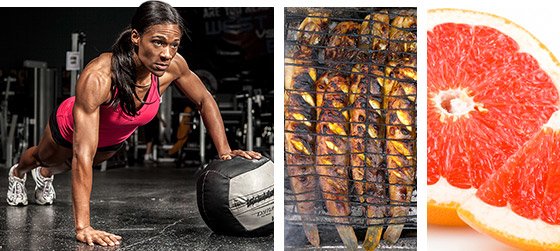
Uses: Prevents muscle loss and fat storage — Sources: Catfish, grapefruit, and alfalfa
Conclusion
That should give you a key list of the most popular Amino acids in bodybuilding today. If you managed to read all of this, congratulations! But as long as you learned something, my day is good.
I know I mentioned it with some of the last ones, but the need for amino acids, or protein as a whole, increases with the bodyweight, the standard equation remaining 1 to 1.5 grams of protein per pound of bodyweight, so keep that in mind when supplementing with free form aminos. The bigger you are, the more you need.
I stick to my point that except for BCAAs, individual free form amino acids should not be supplemented except in phases of overtraining or dieting. Most of them have muscle-sparing, energizing and motivational properties that are useful in those situations.
But a healthy diet as discussed in my first article rules out the need for any and all separate amino acids. Nonetheless, they remain a useful, and healthy at that, part of our industry. The last word has not been said about amino acids.
They have yet to reveal a great deal of their secrets, and no doubt new research in the new millennium will once again amaze us. But in the end, doesn't it boil down to the same old story again: that scientists are finding out what bodybuilders have known instinctively for decades?
And now they are trying to sell our findings in as many separate bottles as they can. But in the end, protein is all that matters. Its what you start out with and its what you end up with.
For next time, I have a feature planned on the ever-present Growth Hormone (HGH), and how you increase it by way of working out, sleeping, eating and supplementing. It should be an informative, insightful, and most of all, much shorter experience.
Until then, remember to lift heavy in the kitchen as well as in the gym. Take care iron junkies!