
"Obesity is a worldwide epidemic." "The children today are the first generation not expected to outlive their parents." We hear about America's ever-expanding waistline on the news, we read about it on the Internet, and see it in every day life.
We are bombarded with these mantras and statistics so frequently that as a society, we are becoming numb to their very meaning. With all of the information on diet and exercise available, something is terribly, terribly wrong.
For instance, a quick search on the Internet for "diet books" produces 39,800,000 results including the "top diet book" for 2007. And, there is one for 2006, 2005, 2004 and so on, yet the problems that these books claim to solve are becoming more pervasive with each passing year.
With some type of gym or fitness facility opening on practically every street corner and over 39 million books on diets and dieting, what we have is an overwhelmed and very confused public. So, let's just stop for a moment and get back to the basics. Much like building a sound structure begins with a sturdy foundation, constructing a healthy body begins with an understanding of fundamental nutrition.
First things first, understand that even if you workout in a gym, no matter how hard you train, you simply cannot out-train a lousy diet. As a fitness professional, I hear it all of the time, "I workout hard so that I can eat what I want." In the simplest terms possible people... NOT GONNA WORK!
There are three components to constructing a healthy, lean, muscular body all of which must be present and work synergistically:
- Resistance training
- Moderate cardiovascular activity
- Supportive nutrition
A consistent commitment to all three components will, over time, produce nothing less than spectacular results. That said, allow me to cut through all of the hype and discuss what I mean by "supportive nutrition."
10 No Nonsense Rules To Get You On The Right Track NOW!
1 / Eliminate Excess Fats, Salt And Sugar From Your Diet Immediately
This includes all soft drinks, cookies, chips and deep fried foods. These items have no nutritional value. After a couple of weeks, you won't want them anymore anyway.
2 / Take The Time To Eat Breakfast In The Morning
Breakfast should include complex carbohydrates and clean protein. Essentially, complex carbohydrates provide energy and the protein ensures that the body has material readily available for rebuilding tissues.
Combining the complex carbohydrate with a protein stabilizes blood sugar levels and stokes the metabolism. Fail to provide your body with the energy that it requires to function properly and it will feed off of your muscle tissue and ultimately hamper your metabolism. A good combination here is a bowl of oatmeal, eggs, grapefruit and a cup of coffee.
3 / Eat Five To Six Small Meals Per Day
This one requires some planning. The "meals" referred to consist of a protein, complex carbohydrate, and a fibrous carbohydrate. Some good combinations include:
- Chicken/Brown rice/Broccoli
- Tuna/Medium baked potato/Green beans
- Lean cuts of beef (once a week)/Sweet potato/Salad
- Salmon/Quinoa/Asparagus
4 / Eat Every Three Hours
This also requires some planning. Eating every three hours keeps the blood sugar/insulin levels stable throughout the day, controls cravings, prevents binging, reduces fat storage and keeps the metabolism burning hot.
Since you hear the word "metabolism" quite frequently in conjunction with nutrition, let's take a quick look at what it means. Basically, "metabolism" is the rate at which your body burns through food. When you hear that someone has a "fast metabolism," this simply means that the person's body is efficiently using the calories derived from food whether active or at rest.
Here is the thing; eating frequently makes you burn more calories. On the contrary, missing meals immediately slows the metabolism, triggers the body's starvation response and thus sounds the death knell for fat burning.
Ever wonder why people that consume few calories and perform cardio until they drop see very little to absolutely no results? A slowed metabolism. That's why. Frequent eating combined with the right food choices will super-charge the metabolism and turn your body into a virtual fat incinerator.
5 / Avoid Simple Carbohydrates
Simple carbohydrates are those found in refined sugar, honey and fruit juice. This type of sugar will provide quick energy but will also let you down just as quickly.
Sugar significantly disrupts proper insulin metabolism ultimately causing fatigue and promoting fat storage. This cycle is certainly not something that you want to encourage. The bulk of your carbohydrate consumption should come from slowly digesting complex carbohydrates such as:

Oats

Brown Rice
-
Wild Rice
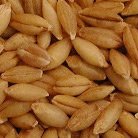
Barley

Spelt
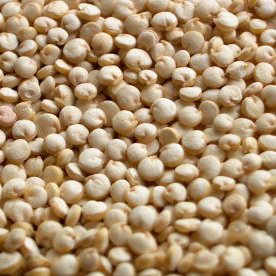
Quinoa

Sweet Potatoes

Legumes
6 / Watch Out In The Evening
Ever notice that you tend to crave refined sugar in the evening? When the sun goes down, the basic "feel good" hormone called serotonin responds in kind. When we experience a low-serotonin state, the body sends a signal to the brain screaming for a quick "pick me up."
The brain reacts by providing a nagging, nail-biting, jump-out-of-your-skin craving for foods that contain refined sugar like cookies, ice-cream and cake to spike serotonin levels. All is good for awhile . . . until the low serotonin state inevitably returns and the vicious cycle begins anew.
How do you quell the craving?
- First, do not have any of these foods readily available for consumption.
- Second, turn on as many lights as possible to boost serotonin.
- Third, do something else like go for a quick, invigorating walk outside, read, take a shower, drink some water or crochet. Whatever it takes to distract yourself.
7 / Taper Your Calories
Breakfast should be your largest meal and dinner your smallest. Because you are essentially fasting while you sleep, it is unlikely that your body will store the early morning meal as fat. Conversely, in the evening, the metabolism naturally slows down and is at its absolute slowest when you are asleep.
Accordingly, the body is much more likely to store the calories consumed in a substantial dinner as fat. The general rule here is to eat breakfast early enough so that you can get in all of your required meals with your final meal consumed two to three hours before you go to sleep. Does this require some serious commitment and steadfast dedication? You bet. Are the results worth it? No question.
8 / Shift Complex Carbohydrates
Depending on your own personal schedule, an effective technique and excellent way to taper your calories is to consume all complex carbohydrates before 3:00 in the afternoon. The meals that you consume after this hour should consist of clean protein and legumes.
9 / Eat Dietary Fat
Understand that fat does not make you fat. On the contrary, consuming the proper amount of fat increases metabolic rate and actually helps burn fat!
To provide perspective, let's take a quick look where the public's intense fear of fat originated. During the 1980's the "low fat" diet was all the rage. Manufacturers of food products prominently plastered "low fat," "no fat," or "a "fat free food" on their labels to basically cash in on an uninformed public desperate for a quick fix.
Bear in mind that simply because something is "low fat" or "fat free" does not translate into sugar free or calorie free. So, what happened? People excised fat from their diet and replaced it with refined sugar. The result? Without fat to slow absorption of the sugar into the blood stream, blood sugar and insulin levels absolutely skyrocketed.
Since insulin management and stable blood sugar levels are necessary for long term fat loss, the cyclic spikes and subsequent crashes in blood sugar/insulin levels further contributed to unwanted fat storage, obesity and all other associated illnesses.
While you should avoid large amounts of saturated fats, trans-fats, hydrogenated or partially hydrogenated oils in your diet, you should derive a minimum of 15-20% of total calories from good, dietary fat.
We need dietary fat for proper hormone production, joint health, cell membrane integrity and healthy skin, hair and nails. Some good sources of dietary fat include:


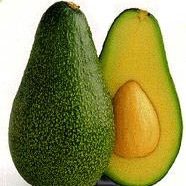

10 / Drink Plenty Of Fresh Water
Water is the most abundant nutrient in the body and is involved in every single physiological process. Approximately 60-70% of your body is comprised of water.
Water helps eliminate waste and toxins, regulates the body's temperature, transports nutrients, helps muscle tone, reduces sodium buildup, relieves fluid retention and helps metabolize fat. In fact, water is essential to the fat burning process. So, flood your body with fresh water throughout the day.
Conclusion
Follow these simple rules and in time you will undoubtedly succeed. Understand that there is nothing fast, easy, effortless or overnight about long-term fat loss. It takes time. At the end of the day, it comes down to making a commitment to a particular lifestyle and learning to embrace an entirely new way of life.
Given the proper circumstances, fat loss is a very predictable process. Begin by making small changes to your diet. Nothing extreme. The body reacts drastically to drastic change. Start slowly.
Make the decision that you want to become something different, commit to it and then take consistent action in that direction. Above all else, believe in yourself . . . believe that you can do it . . . believe that with sincere dedication and perseverance anything at all is possible.