



Featured: Vitamins
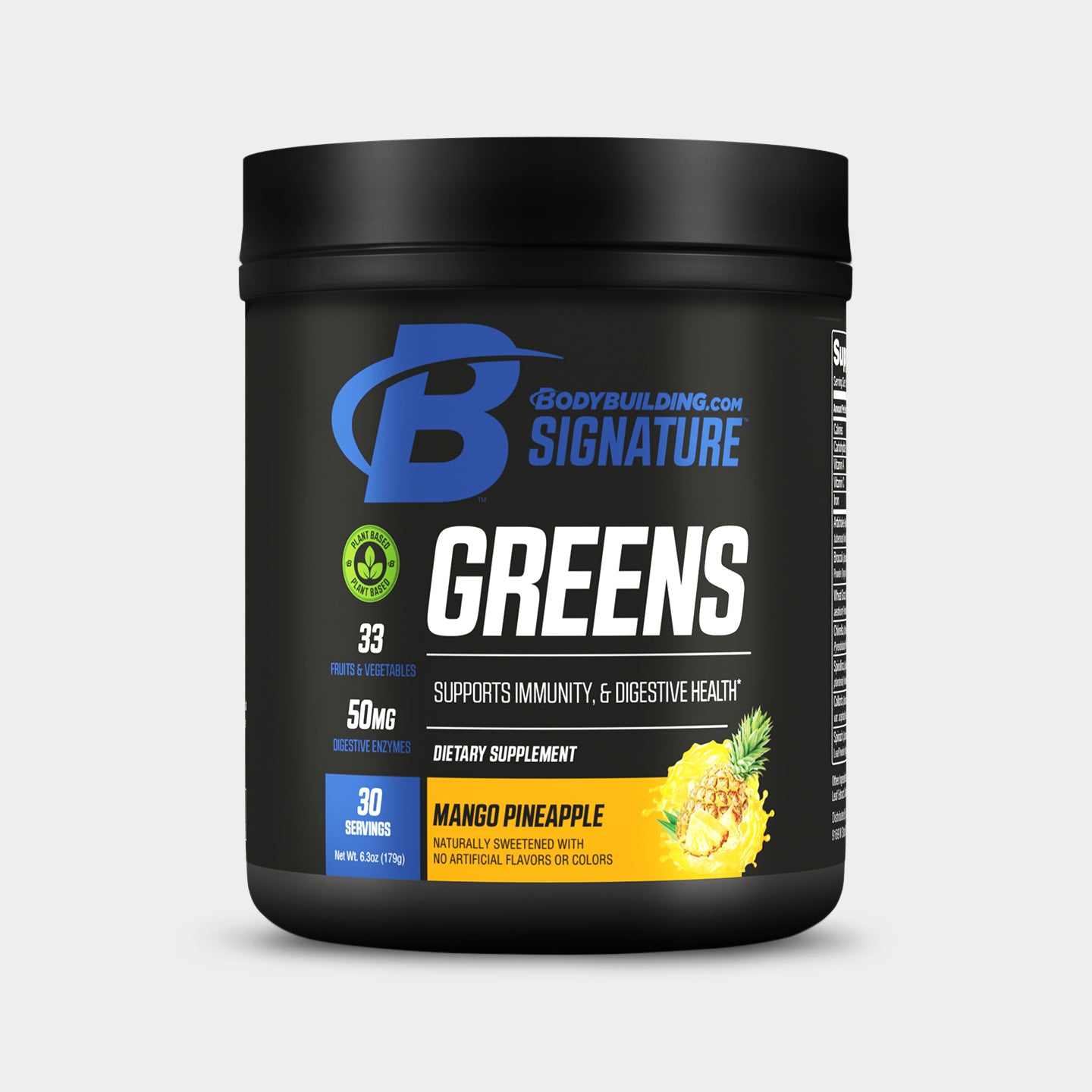
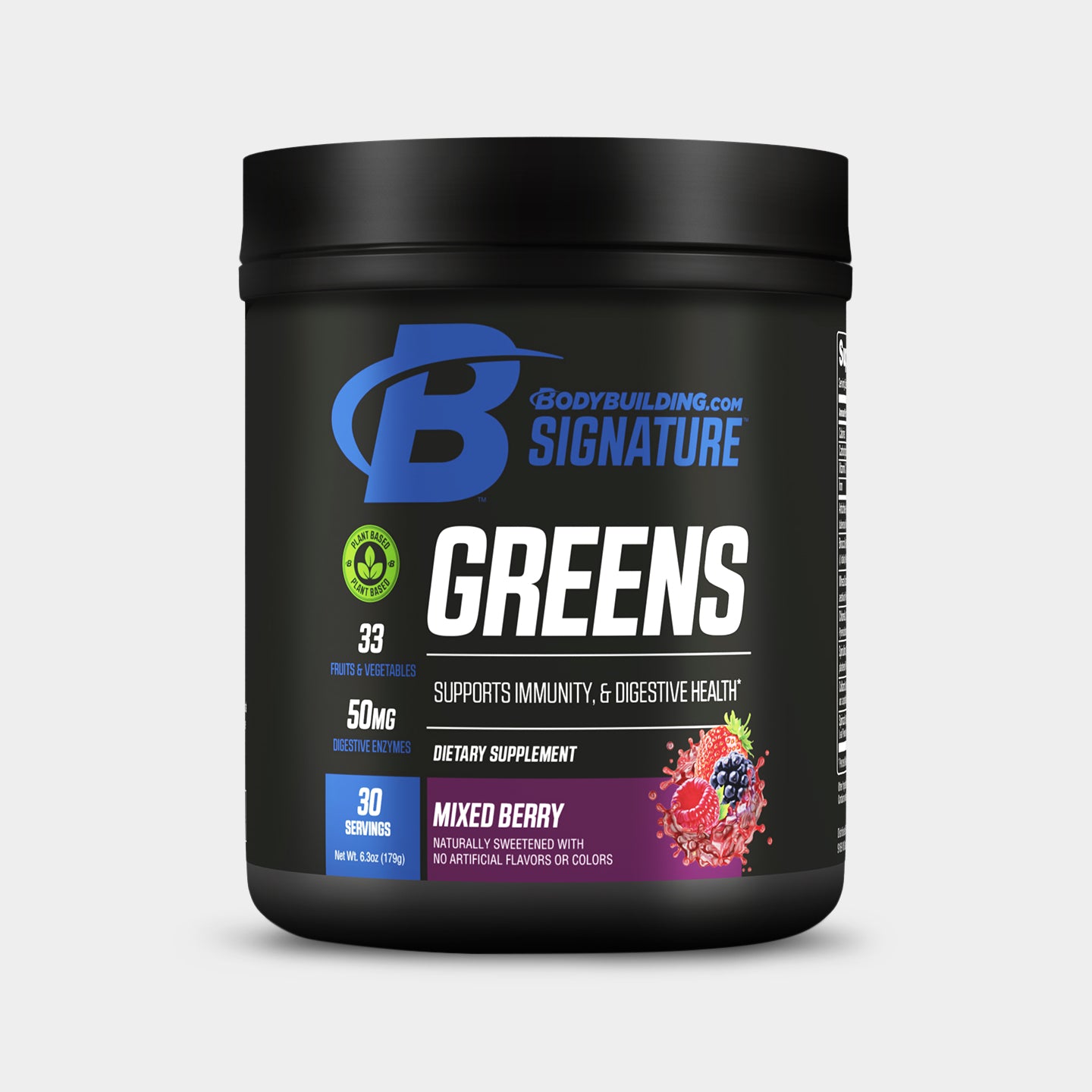
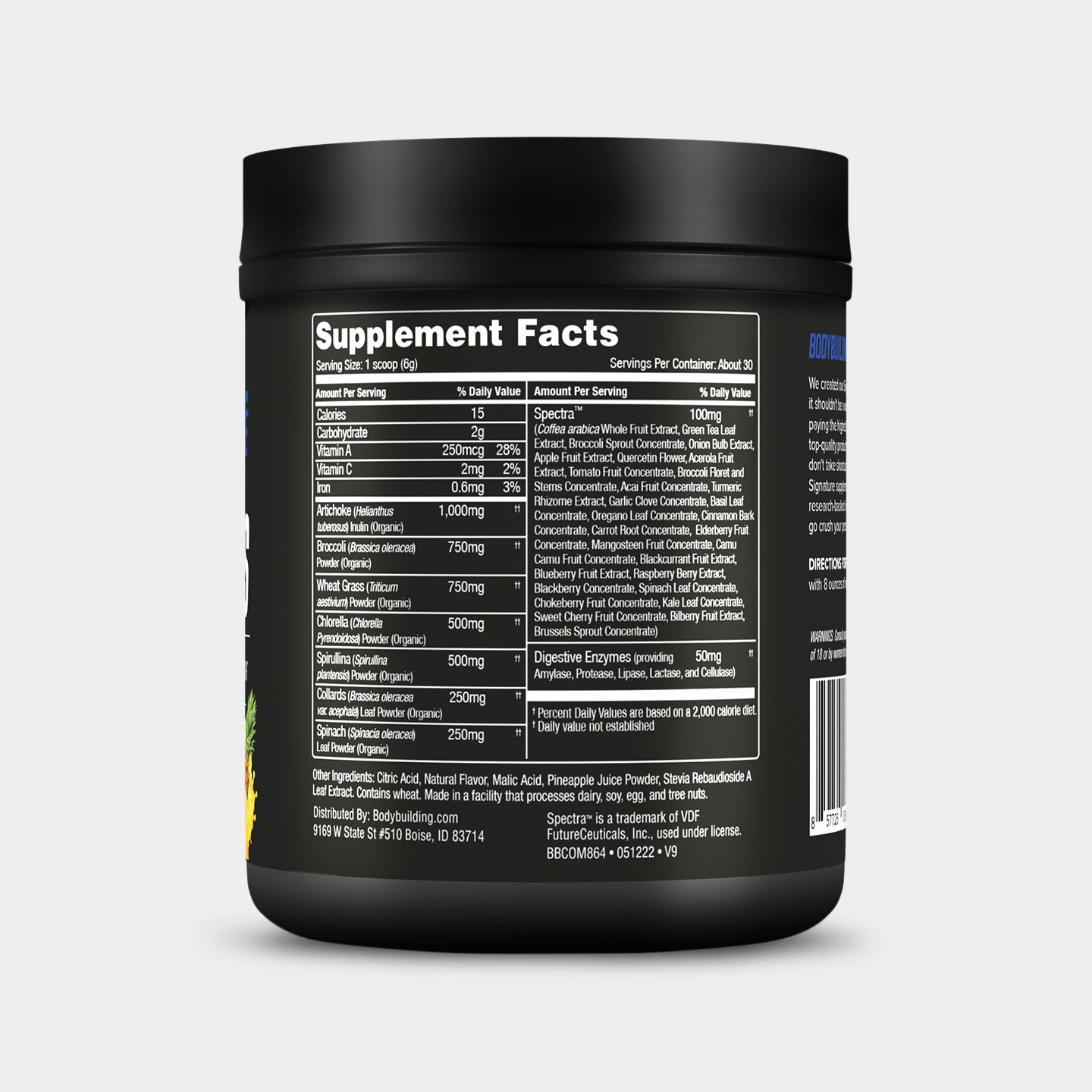
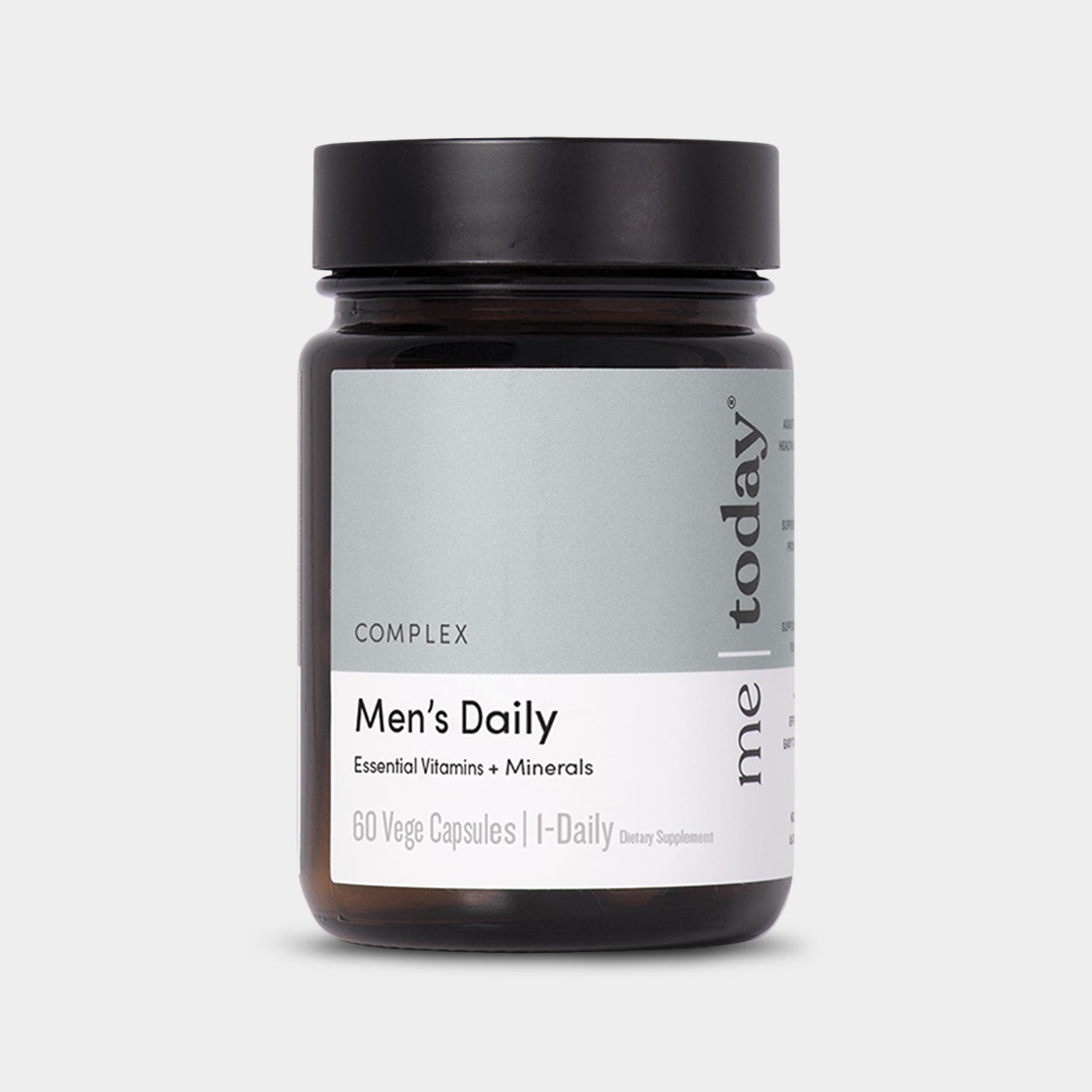
Shop by Category
- Protein
- Pre-Workout
- Vitamins & Wellness
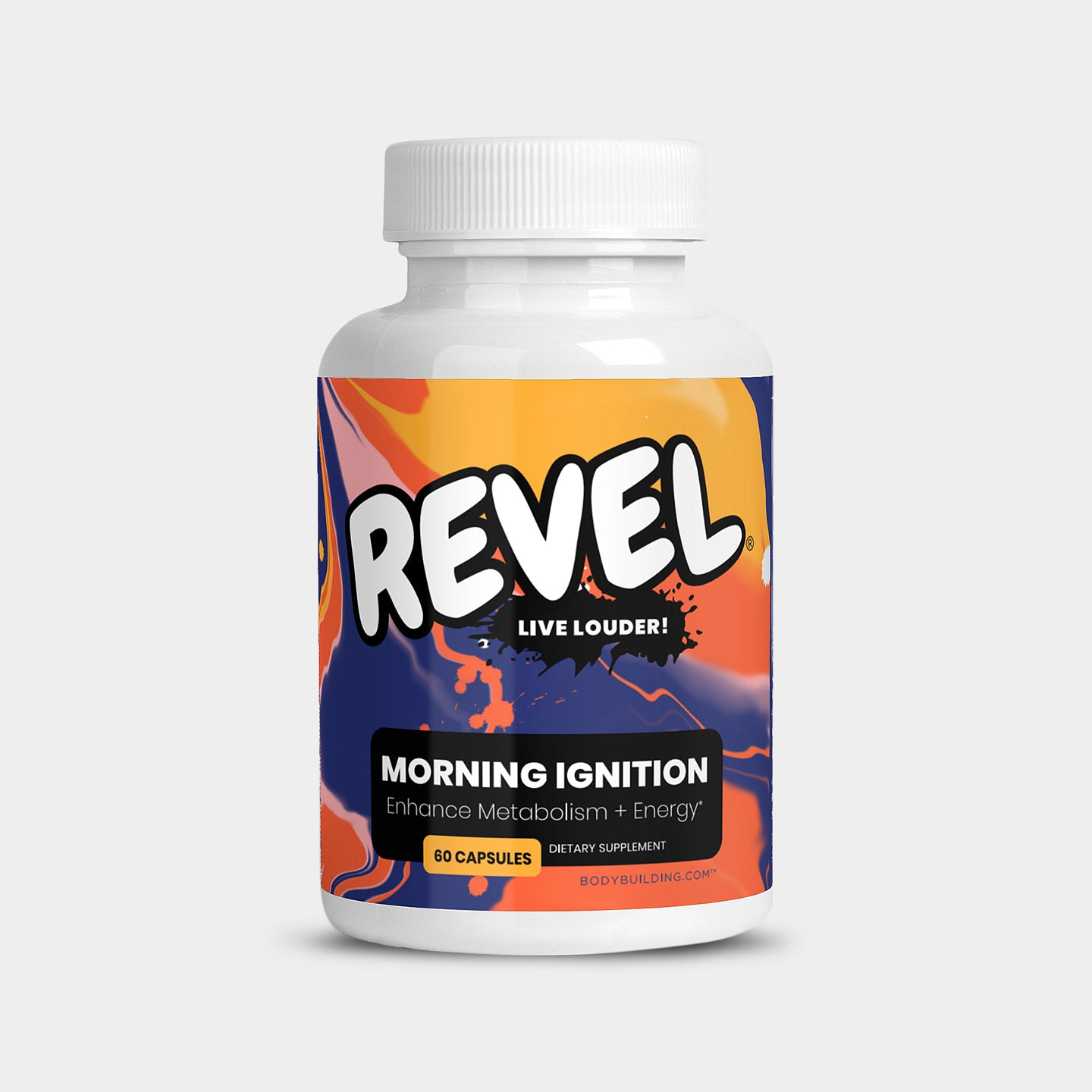
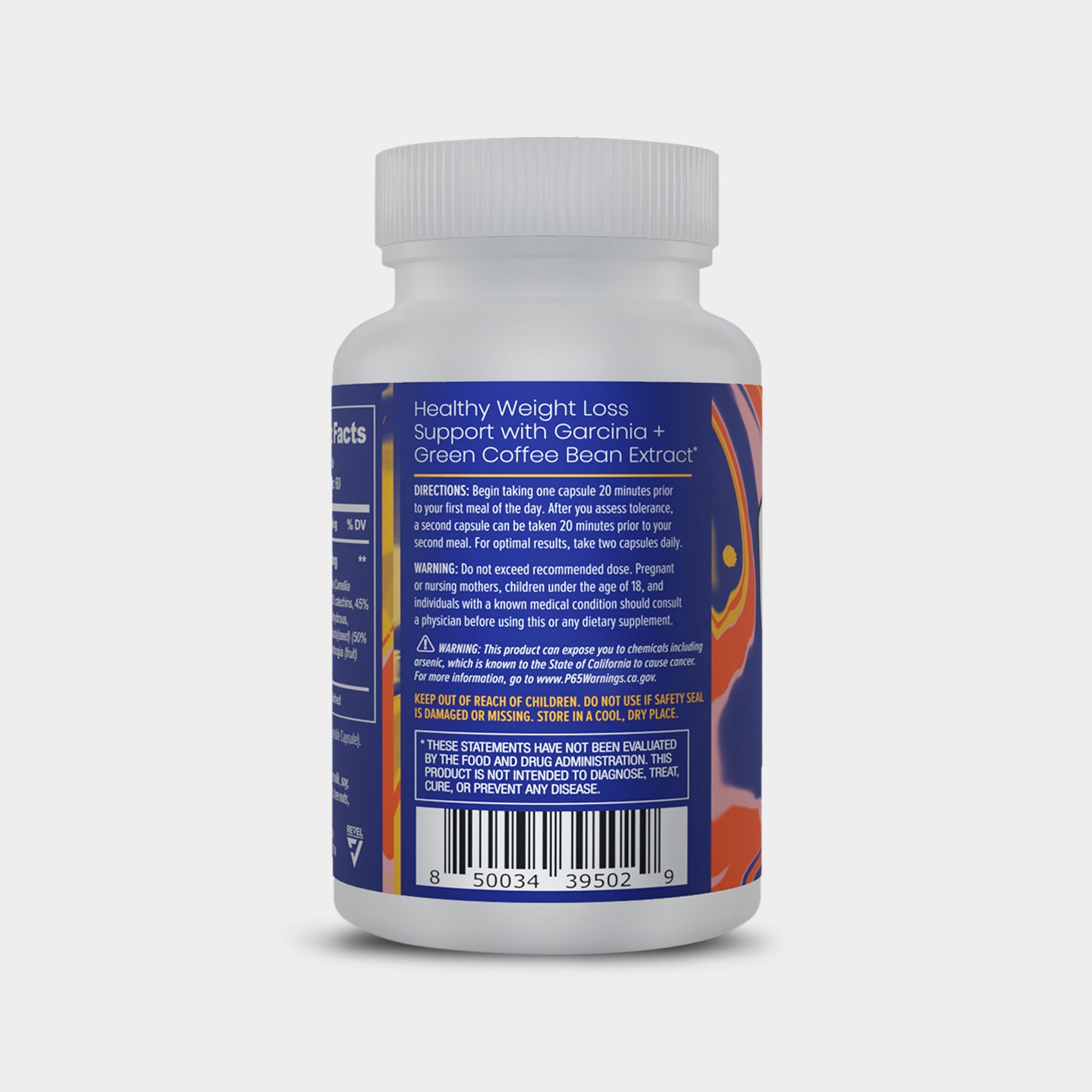
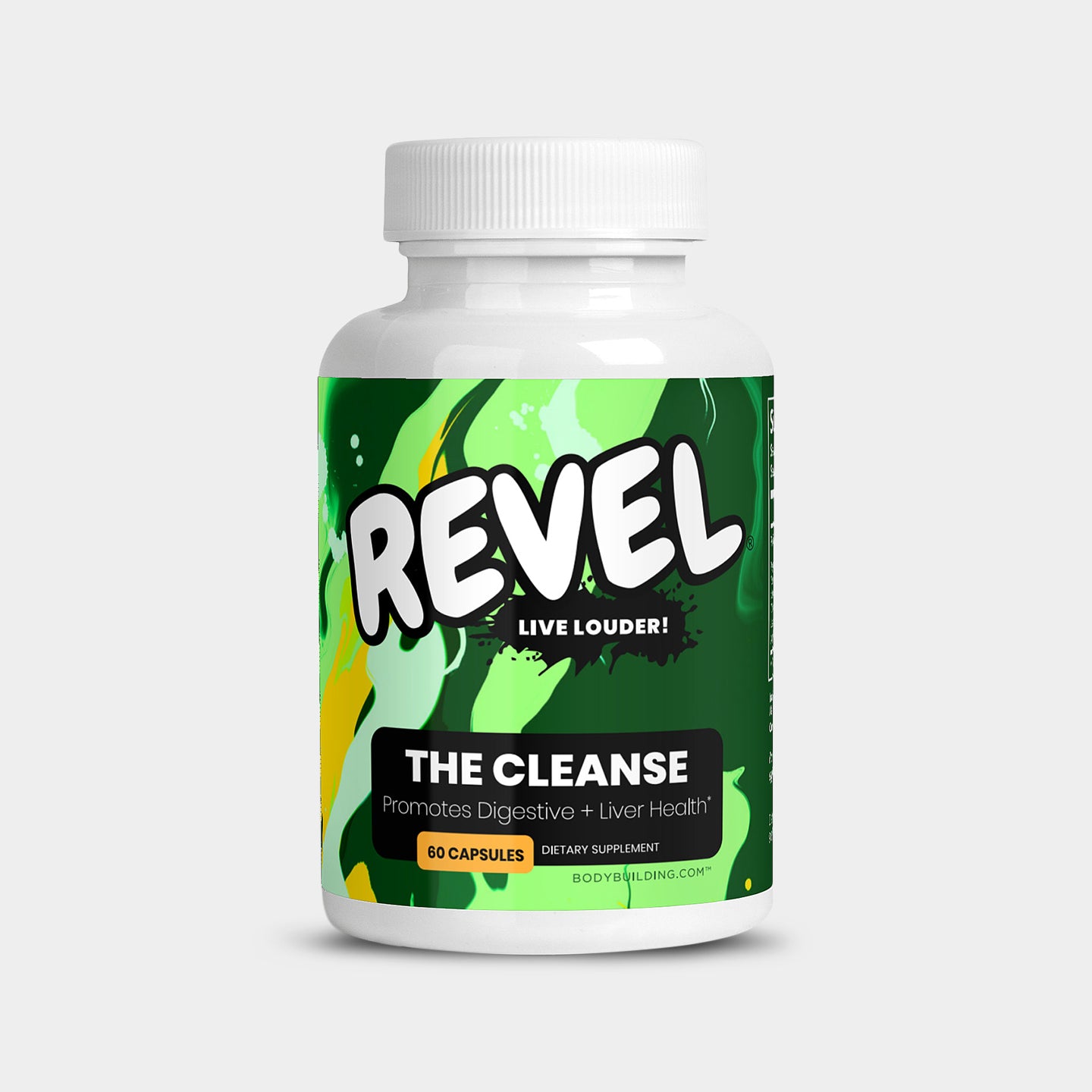
- Healthy Weight
- Clothing & Equipment
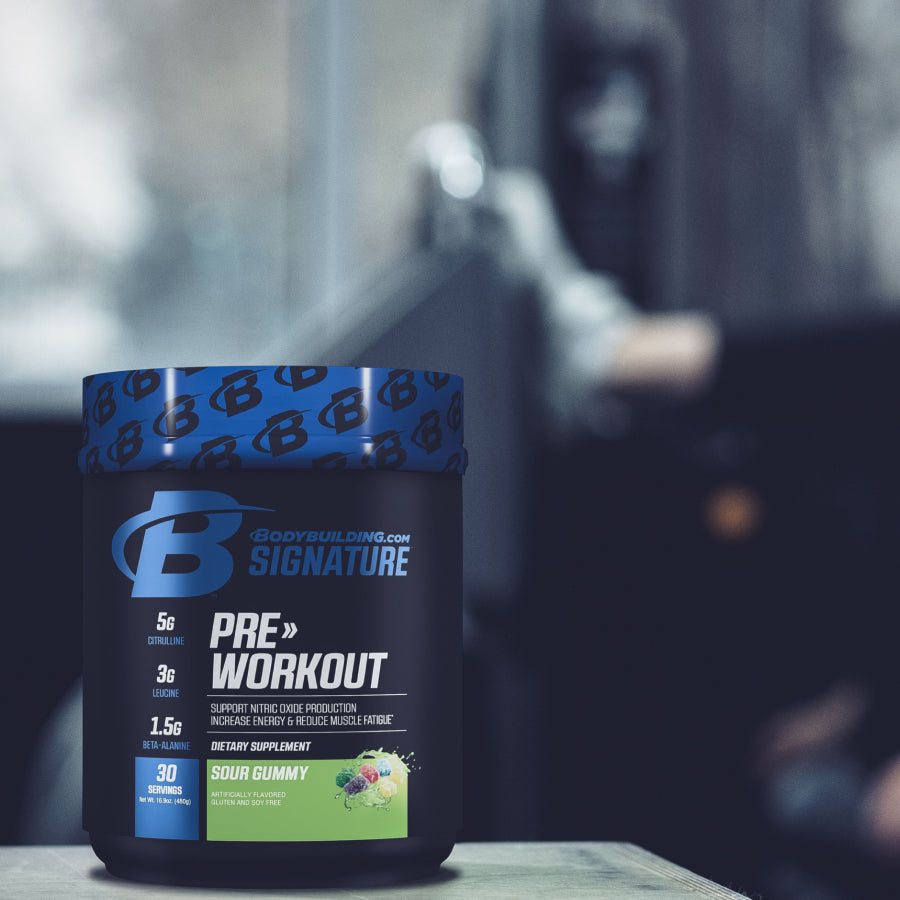
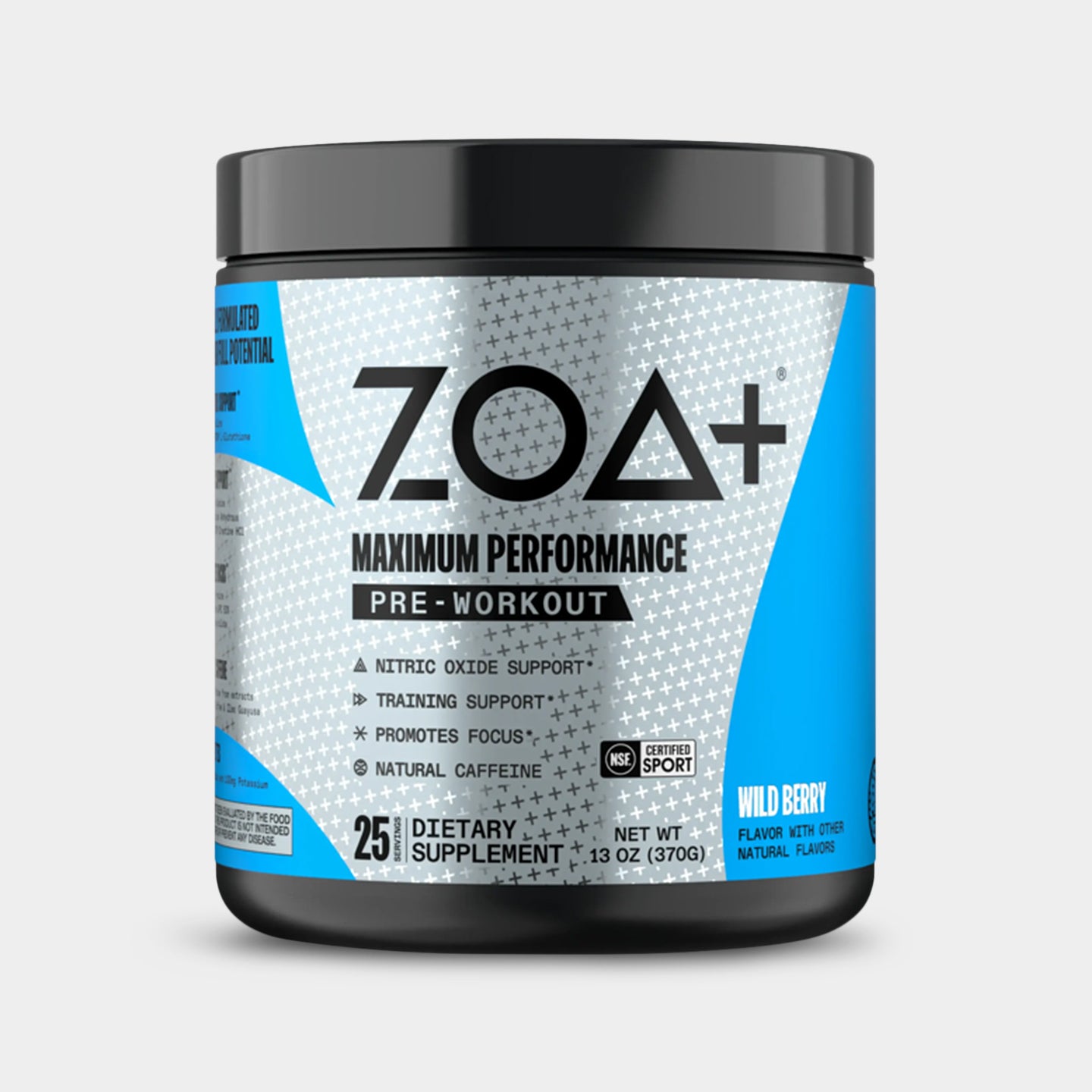
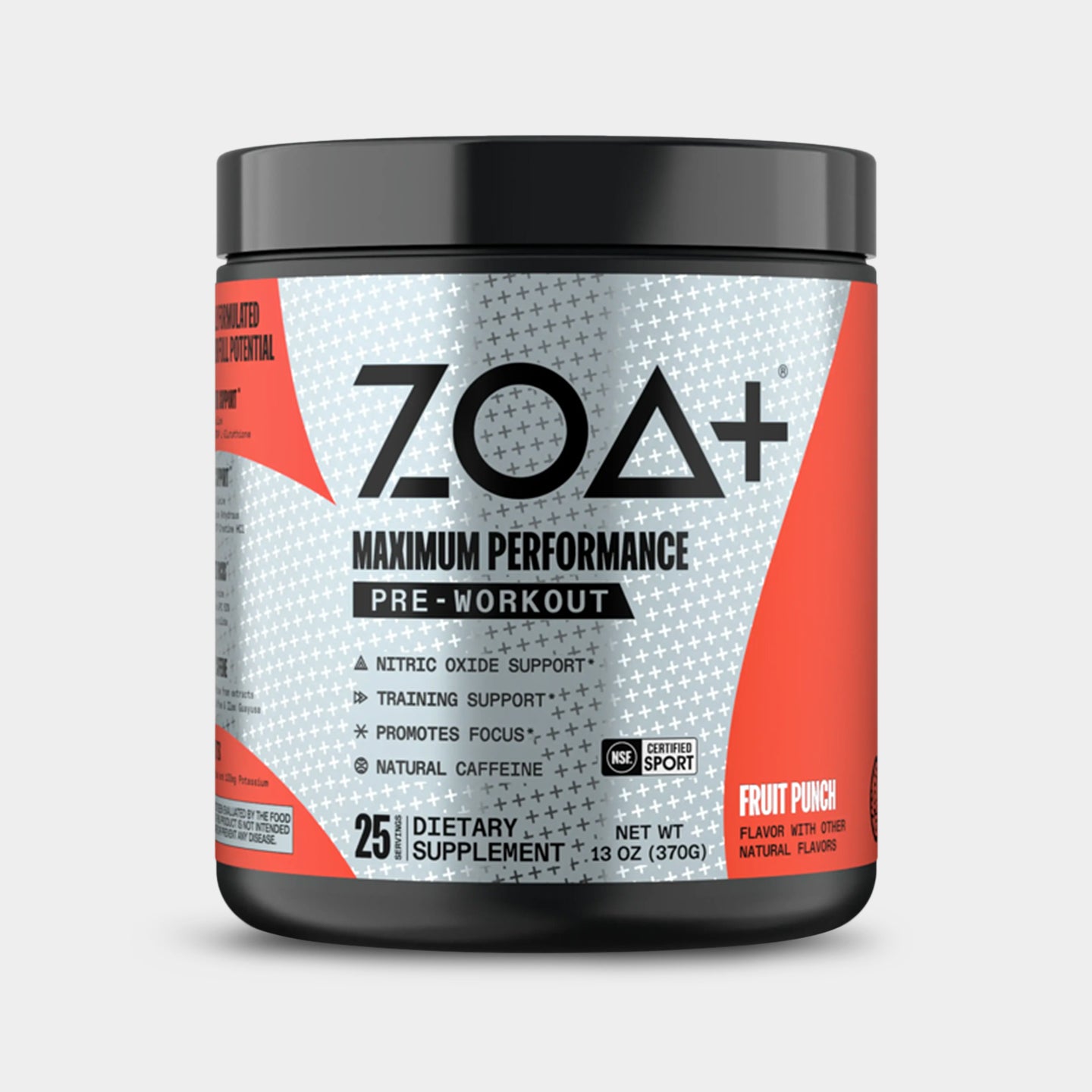
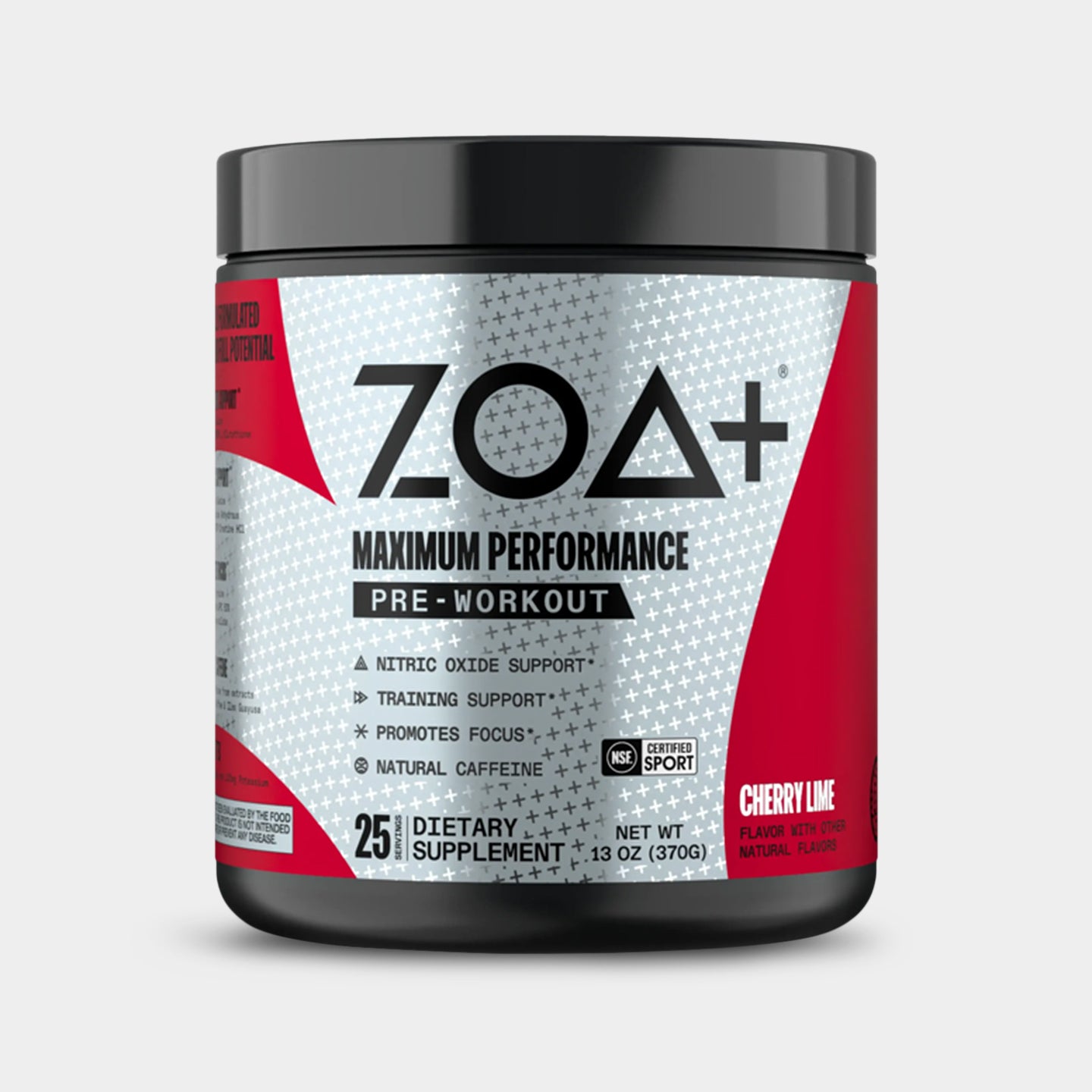
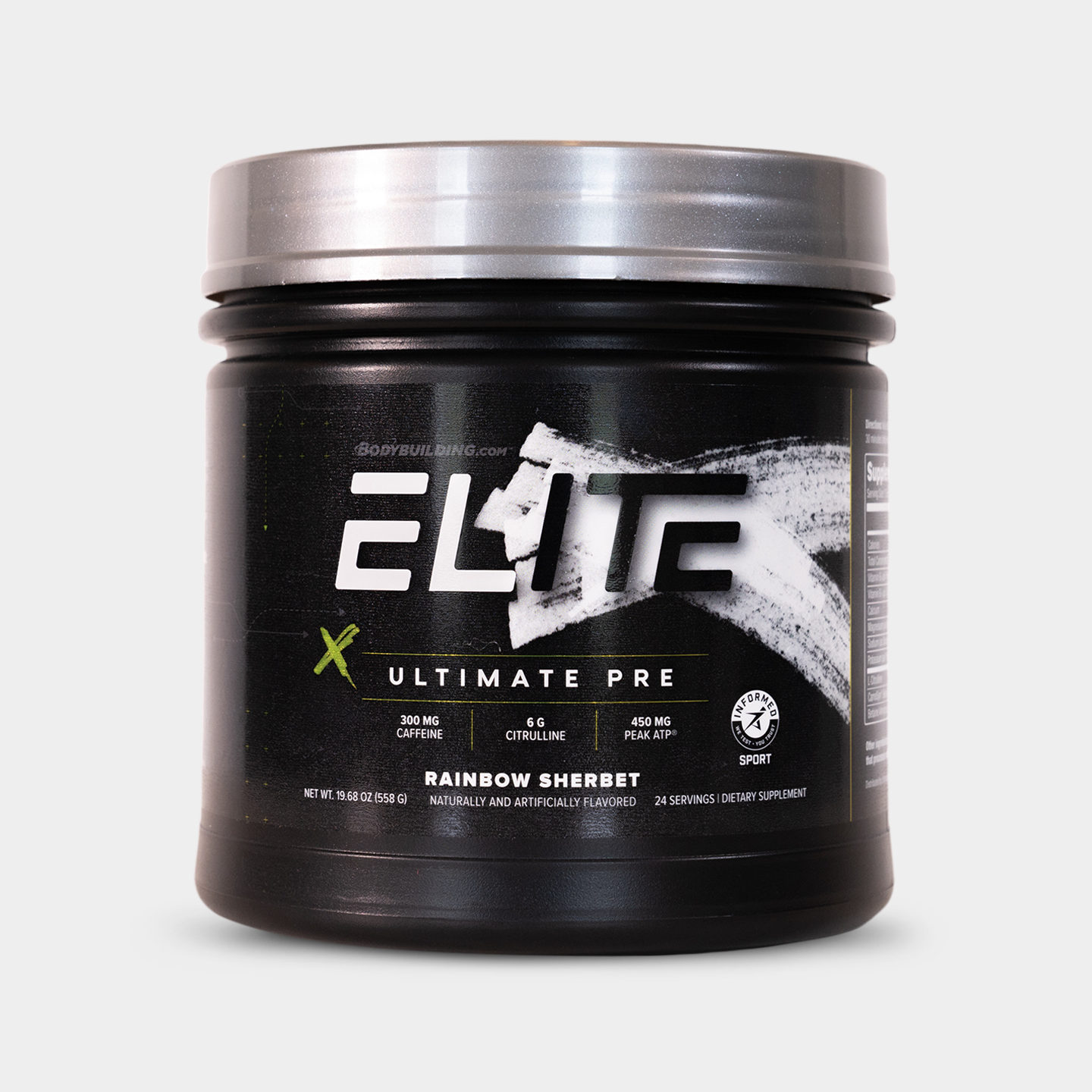
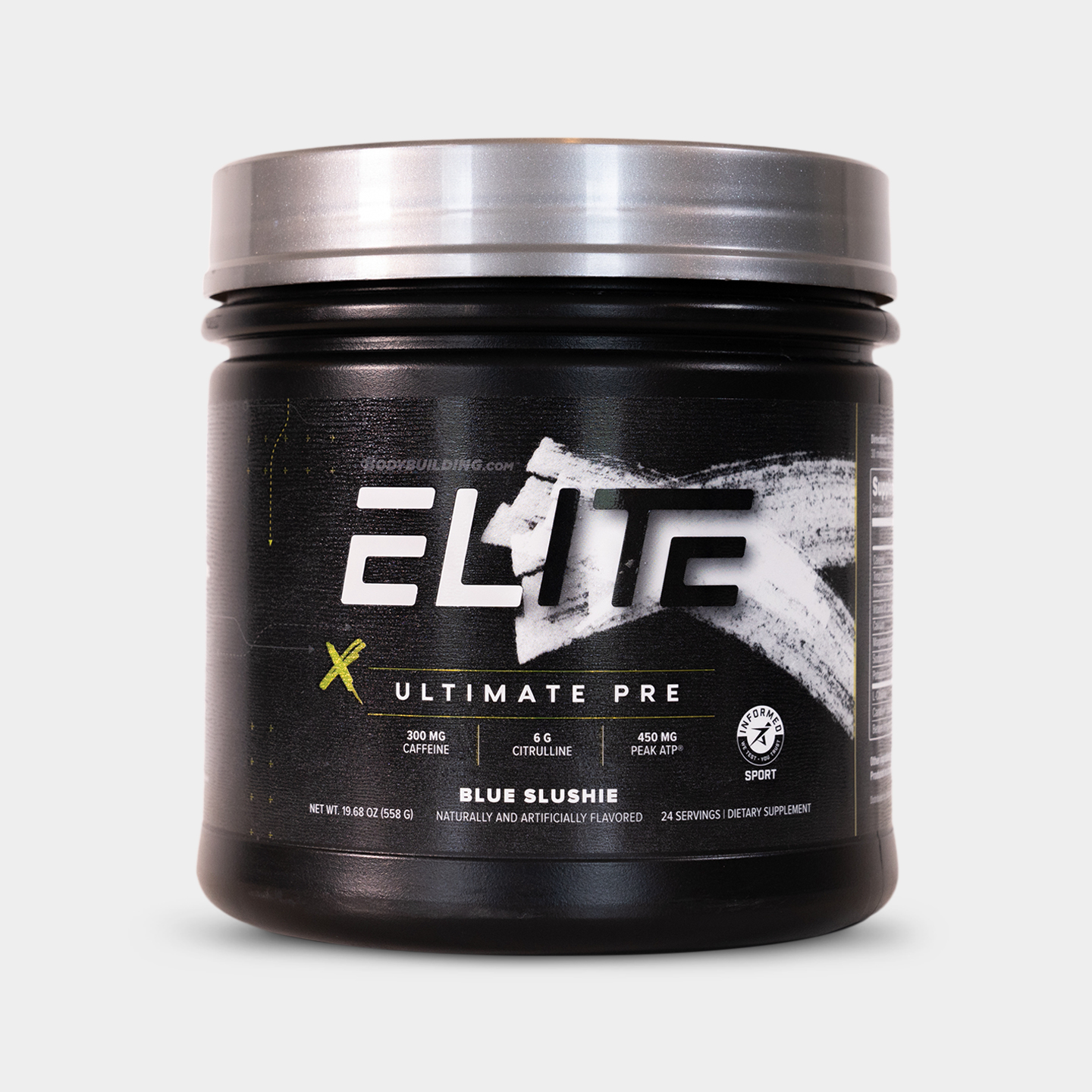
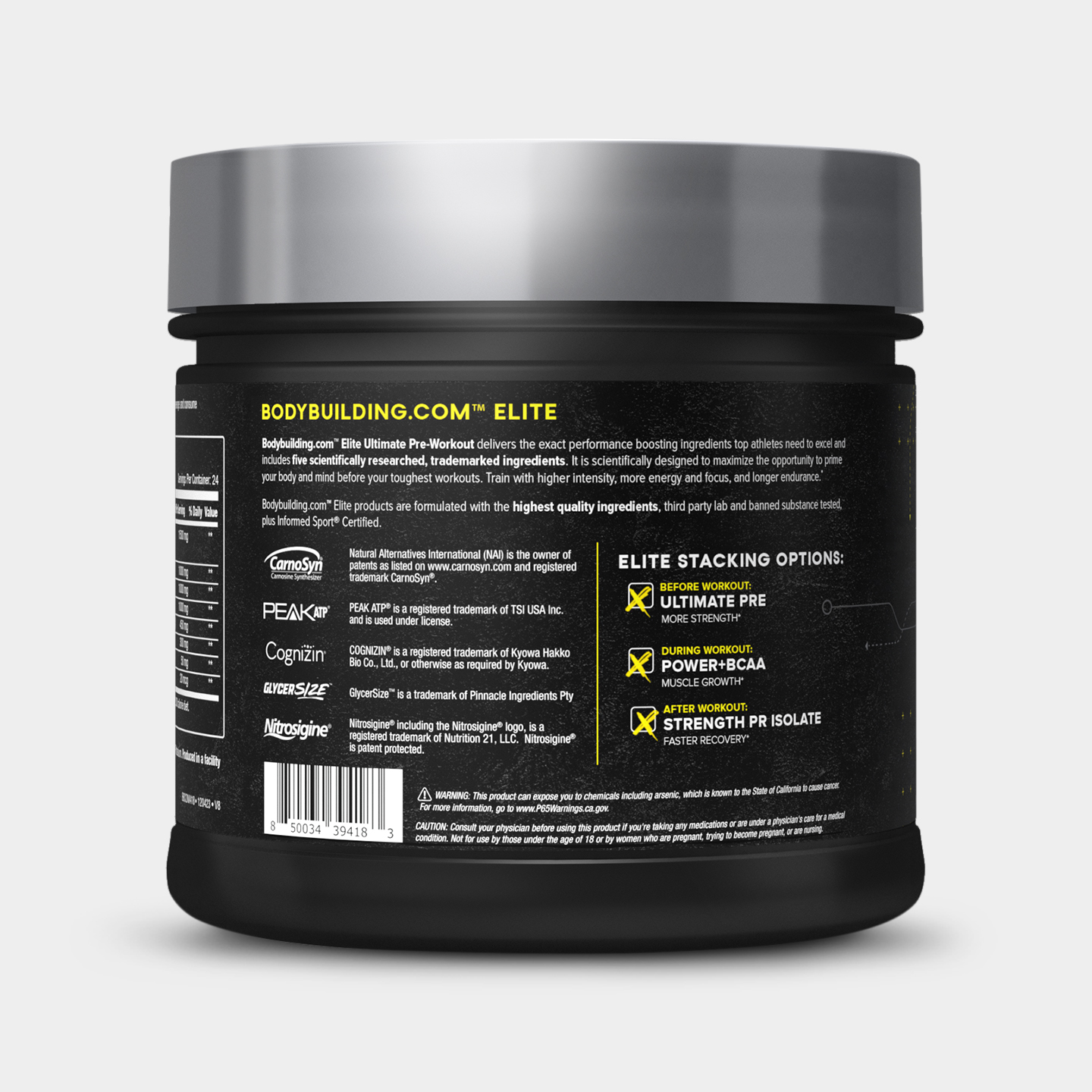
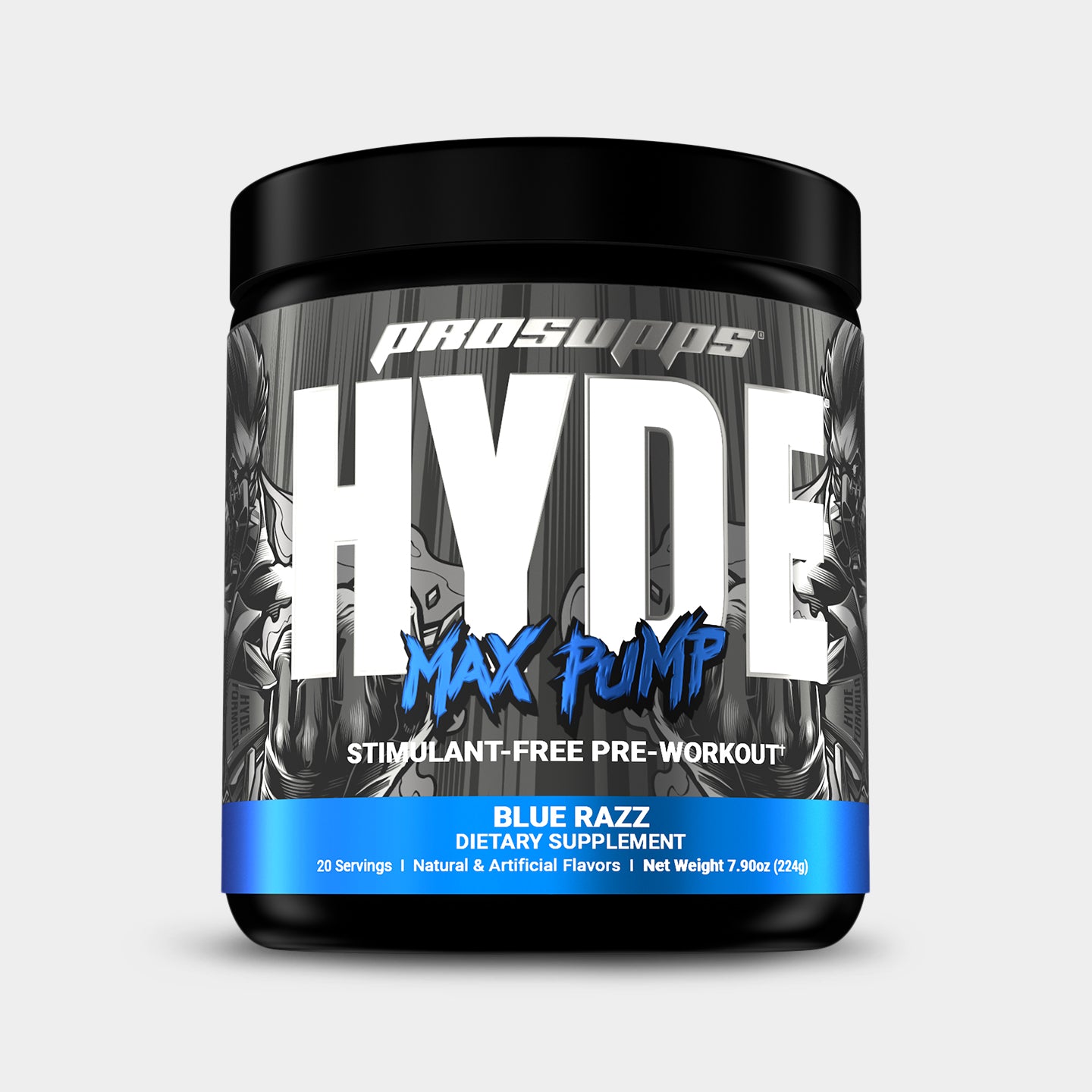







NEW BODYFIT PROGRAM
PERFORMANCE NUTRITION SERIES: PRESENTED BY NASM
In this series, we’re going to review the pre, intra, and post workout nutrition for both strength and endurance training. By the end, you’ll understand how to properly fuel and hydrate for the session ahead.
Shop by Goal

Bodybuilding.com Podcast : Ep. 15
The Power in The Pause
May is Mental Health Month. We sat down with athlete, Nike Run Coach, Tonal Strength Coach and breath work Coach, Kristina Centenari to discuss navigating athletics, injuries and self expectations of human performance.

Bodybuilding.com Podcast : Ep. 14
How to Heal Through Full Body Acupuncture
Jeff Medina is a board certified licensed acupuncturist specializing in the practice of Nei Jing. Together we break down the full body benefits of acupuncture.

Bodybuilding.com Podcast : EP. 13
Gymtimidation & Building Community
Kenny Santucci has been building fitness communities and helping New Yorkers get STRONG for the past 20 years.

Bodybuilding.com Podcast : Ep. 12
How to Get Better Sleep
Tired of bad sleep? Today we’re breaking down the top ways to optimize sleep performance.

Bodybuillding.com Podcast : Ep. 11
Abs, Hybrid Training & Menopause Training
In this episode we're talking all things Core 101, why form and function have a place in programming, how to train like a hybrid athlete (and why it's good for you) + debunking the stigma about moving less when you hit menopause.

Bodybuilding.com Podcast : Ep. 10
Sex, Drugs & Testosterone
Meet Josh Whalen, the founder of Blokes, a metabolic health company that's changing the way we view and act on men's health. Together, he and his wife Katy, founder of Joi, are reshaping how we as a society measure a healthy lifestyle.

Bodybuilding.com Podcast : Ep. 09
Losing Weight, Eating Carbs & Nutrition 101
Nikki Davila is a Registered Dietician who specializes in weight loss. Today we chat through the key components for dropping weight and beating plateaus, where fasting can be beneficial, why carbs are for everyone and breaking the habit of emotional eating.

Bodybuilding Podcast : Ep. 08
Pelvic Floor Health and Breathing
Dive into why pelvic floor health pertains to both men and women, and how it impacts athletic performance, sexual performance and everyday health.

Bodybuilding.com Podcast : Ep. 07
Allowing the Mind Lead the Body
Today we're chatting with Gabe Snow, a New York City strength and conditioning specialist with a B.S. in psychology in applied neurochemistry.

Bodybuilding.com Podcast : Ep. 06
Building Muscle & Training for Your Decade
Ebenezer Samuel, C.S.C.S., is the fitness director of Men's Health and a certified trainer with more than 10 years of training experience.

Bodybuilding.com Podcast : Ep. 05
Rachel Mariotti
Rachel is a licensed mental health therapist here in New York City as well as a professional fitness coach. Her main focus in mental health treatment is building habits in order to grow mental resilience while addressing the physical and spiritual side of a person's being.

Bodybuilding.com Podcast : Ep. 04
How to Lower the Risk of Injury
Dr. Daniel Giordano is a Physical Therapist and Certified Strength and Conditioning Specialist at Bespoke Treatments.

Bodybuilding.com Podcast : Ep. 03
Stefi Cohen
Stefi Cohen is a 25-time world record holding powerlifter, the first woman to deadlift 4.4 times bodyweight (120lb pulling 545lbs in 2019), and owns an impressive 507 pound squat PR and 242 pound bench PR.

Bodybuilding.com Podcast : Ep. 02
Performing on a Plant-Based Diet
We’re chatting with James Newbury, 4x Australia’s Fittest Man, the 5th Fittest Man at the 2019 CrossFit Games, renowned hybrid athlete and recently signed Bodybuilding.com athlete.

Bodybuilding.com Podcast : Ep. 01
A Sit Down with Shaq
We sat down with the legend himself, Shaquille O’Neal, to talk all things training, nutrition and life. Catch the conversation from being on set with Novex Biotech. 💪
Who we are
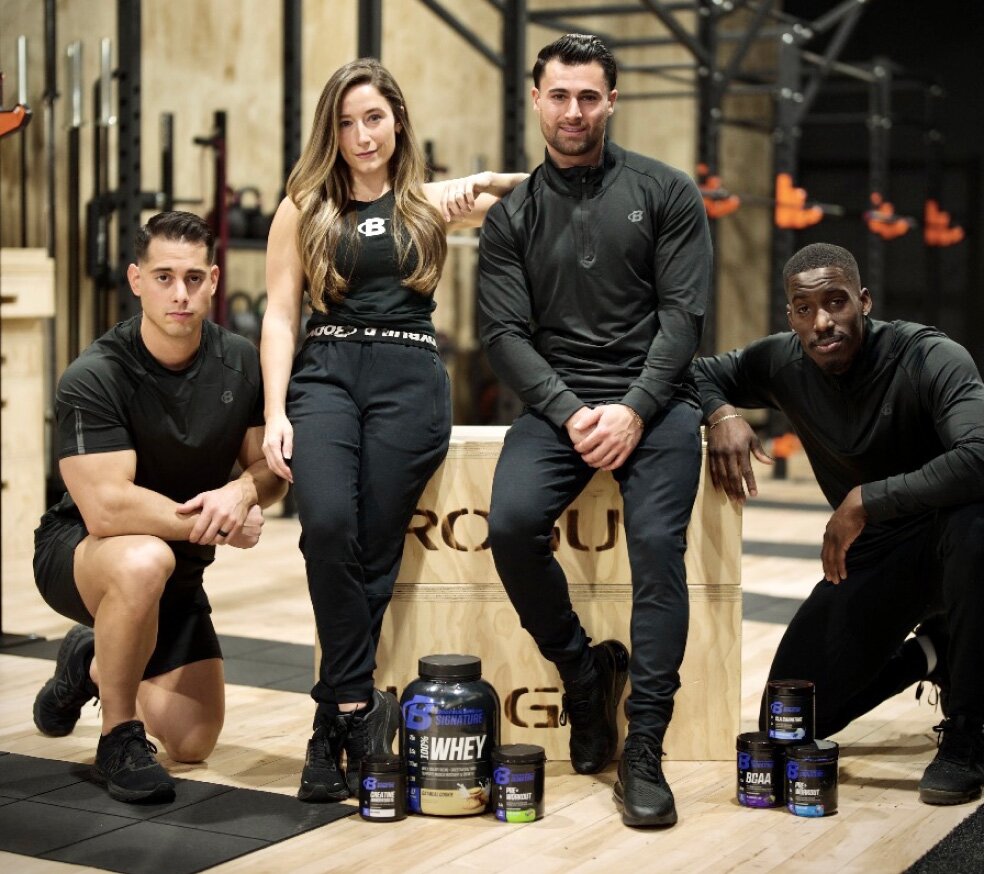
Welcome to Bodybuilding.com!
Our mission is to provide you with the tools and resources to build your body for whatever health and wellness goal you set your sight on. From programs and articles to supplements and gear, every part of your routine starts here.
Build your body. Build your mind. Build your life.
Let's get to work.
Bodybuilding.com is the leading and longest-running digital destination for elite fitness, enabling millions upon millions to build their ideal bodies
Follow along for workout, nutrition and recovery tips.