
Ouch!
We hear you. As you go about your workout program, there's definitely going to come a point in time when you feel something disconcerting. Pain is a normal part of human living. Usually it doesn't represent much more than mild discomfort due to a particular position or situation.
However, there are times when pain shouldn't be ignored because it might indicate something seriously wrong. But how do you tell which is which? Heed inconsequential pain and you skip workouts unnecessarily. Ignore serious pain and you may be missing workouts for years.
Learning the difference is important to your fitness success. Those who take proper care of their bodies can stay in the fitness game for a long time.
Pain should never be taken lightly. You should always assess the reasoning behind the pain, and whether it's something that needs to get checked out.
Here are some examples of pain that might help you tell the difference between what to ignore, and what to be concerned about.
Worry About: Moderate-Intensity Pain Occurring In the Hamstring Along With Foot Pain
As surprising as it may be, pain in the hamstring and in the foot could indicate something much more serious than a pulled hamstring and a bad pair of kicks. When these two symptoms occur together, it could be a herniated lumbar disc. This is a serious problem requiring immediate attention.
Although this problem occurs in your back, you won't necessarily feel any back pain. So don't talk yourself out of this injury just because you don't feel back pain.
Another thing to watch out for is the feeling of pins and needles. If this is present along with hamstring and foot pain, even more reason to seek help.
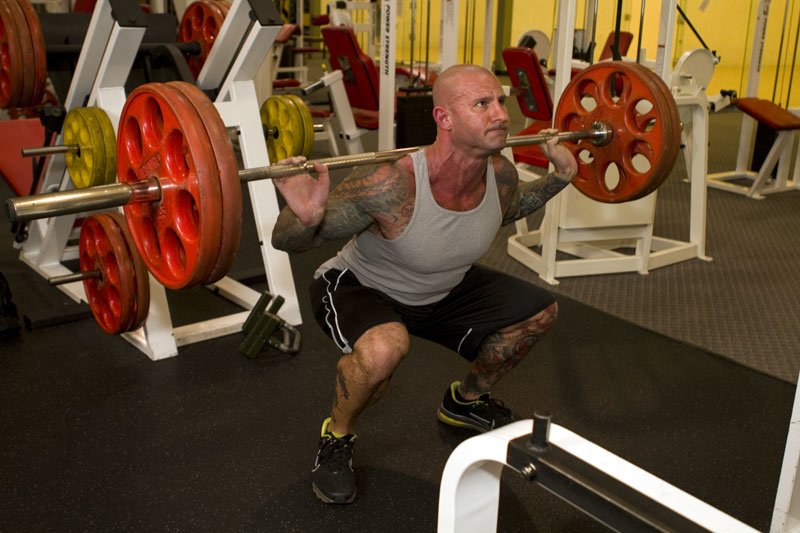
Rack the weights, check back later.
Don't Stress About: Toe Cramps
Ever feel a sudden pain in your baby toe? Muscle cramps are an extremely common occurrence; 95% of people experience them at some point. The common causes of muscle cramps are fatigue from intense physical activity, dehydration, low blood calcium or magnesium levels or low potassium levels.
Typically cramps last a few seconds, but if yours last for a long period of time, then you may want to seek medical attention. If you find that you get toe or other muscle cramps on a regular basis, have a look at your diet and see if you could be suffering from any nutrient deficiencies.
Worry About: Intense Calf Pain Accompanied By Redness
A tight set of calf muscles could be what's left-over from a hard hill sprint session the day before. But if that soreness is coupled with redness and swelling, then you could be suffering from deep vein thrombosis, or an interior-leg blood clot.
This is a relatively common problem that many people face, especially if they happen to sit for extended periods throughout the day.
If you experience this problem, have it checked out, so you know for sure what's going on. Also, be sure to drink plenty of water to help ensure that you get plenty of blood flow to the region.

Stay hydrated! You don't need a prescription for water.
Don't Stress About: Tight Shoulder And Neck Muscles
If you wake up and can hardly turn your head to the side, you might be tempted to see a doctor immediately because this pain will hinder your ability to sustain daily activities.
But stress not. Typically, this is caused by nothing more than a kink in the neck from sleeping in an awkward position or a build-up of tension in the neck and shoulder muscles.
To help prevent this problem from occurring, make sure that you're sleeping on a good-sized pillow that isn't too high or low. Also, perform shoulder rolls and neck rolls multiple times per day to reduce built-up tension.
Worry About: Long-Term Pain in the Biceps
If you're like many men, you're in the gym making sure to hit your arms with a vengeance. Developing big biceps is a goal for many and as such, they're going to dedicate a high amount of time to working this muscle each and every week. Without a doubt, this is going to lead to some soreness from time to time.
But if that soreness is persistent for a lengthy period of time, it might be a good idea to get it checked out in case it represents something more.
For example, Parkinson's disease can present itself in the form of extreme pain in both of the lower biceps muscles. The chances may be rare that this is actually what's going on, but it's not something to take lightly.
Get it checked out so you can be safe, rather than sorry.
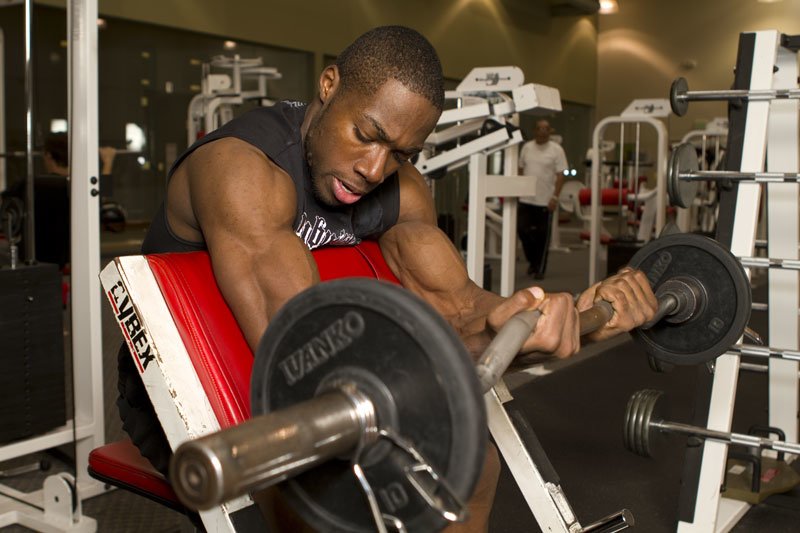
Persistent biceps pain? Put down the guns. Better safe than sorry!
Don't Stress About: Highly Localized Pain That Hurts Most When Pressure Is Applied
Finally, the last type of workout pain you may experience will be highly localized to one area of the body that hurts most when pressure is applied.
If you notice that you experience pain and tenderness to one area any time you press directly on it, chances are this is nothing more than a tense set of muscle fibers in that region, sometimes called a "knot."
This is typically going to occur after a hard workout session or after you introduce a new movement. This pain is nothing to get too stressed over.
The best cure for this type of pain is to simply rest the area and apply some ice if it's within 24 hours, or heat anytime after. Light stretching can also help relax the muscle fibers and ease the pain, as can a deep-tissue massage.
As you go about your workout sessions, keep these pain thresholds in mind. Don't be so quick to ignore your pain, because pain is the most effective signal that something isn't right. Be knowledgeable about what to take seriously.
References:
- Gilbert, G. (2004). Biceps Pain As The Presenting Symptom Of Parkinson Disease: Effective Treatment With L-Dopa. Southern Medical Journal. 97(8).