
The Many Uses For R-ALA Including As An Antioxidant & Anti-Aging
What Is R Alpha Lipoic Acid & Alpha Lipoic Acid?
Alpha Lipoic acid is a natural substance found in certain foods and also produced in the human body. Alpha Lipoic acid is a disulfide compound found naturally in mitochondria as the coenzyme for pyruvate dehydrogenase and a-ketoglutarate dehydrogenase. Alpha lipoic acid (ALA) is a unique, vitamin-like antioxidant which exists in two forms, R-alpha-lipoic acid and S-alpha-lipoic acid. These two forms contain the same number and composition of atoms but have different arrangements of the atoms in their respective molecules. Natural lipoic acid is R Alpha lipoic acid. Synthetic lipoic acid contains a 50/50 mixture of the two forms.
Studies with the mixture demonstrated beneficial effects in treating a number of diseases and conditions. More recent research has shown that the R Alpha Lipoic acid alone is far more effective than S Alpha Lipoic acid or the mixture. Recently, pure R Alpha Lipoic acid has become available as a nutritional supplement. R Alpha Lipoic Acid as an Antioxidant
R Alpha Lipoic acid is regarded by many as the supreme antioxidant. R-Lipoic acid is unique in that it functions as both a fat and water-soluble antioxidant that can easily cross cell membranes. Thus, it can confer free radical protection to both interior and exterior cellular structures. Vitamin E is a potent biological antioxidant that acts to stabilize highly reactive free radicals in lipid (fatty) tissues and cell membranes. In the process of quenching fatty free radicals, vitamin E becomes a free radical itself. The vitamin E radical is then regenerated by vitamin C (ascorbic acid).
This process recycles vitamin E from a radical back into an antioxidant again, but results in the formation of a new free radical in the form of unstable vitamin C. Vitamin C is next recycled by glutathione. Up to this point vitamins E, C and glutathione work in concert to control free radicals and prevent cellular damage. But this is also an important stage where the antioxidant regeneration cycle runs into a limiting factor determined by the availability of glutathione. The concentration of these key antioxidants, vitamins E, C and glutathione diminishes with age and the individual becomes more susceptible to oxidative damage and inflammation.
Cell membrane integrity, the immune system, organs and DNA integrity all go down hill as antioxidants diminish. Glutathione is an important free-radical deactivator. Cellular glutathione levels are considered by many life extension experts to be the single best predictor of how long an individual will live. Glutathione also plays a vital role in protecting against cataract formation, enhancing immune function, preventing liver damage, slowing the initiation of cancers and eliminating heavy metals.
Glutathione is quickly depleted when the body experiences high levels of oxidative stress from causes such as illness, infection, trauma, medication, environmental toxins and surgery. Glutathione deficiency is also associated with low protein intake, diabetes, liver disease, cataracts, HIV infection, respiratory distress syndrome, cancer, and idiopathic pulmonary fibrosis. R-Lipoic acid boosts glutathione levels. Alpha lipoic acid enhances glutathione (GSH) levels.
Glutathione is the most important water-soluble antioxidant and is linked to detoxification of xenobiotics, modulation of signal transduction, prostaglandin metabolism, regulation of immune response, control of enzyme activity and peptide hormones, etc.
The availability of the amino acid Cysteine is known as the rate-limiting factor in glutathione synthesis. Lipoic acid is taken up rapidly by the cell and reduced to DHLA, which in turn reduces cystine to cysteine and accelerates the biosynthesis of GSH. In summary, R Lipoic Acid acts as a potent anti-oxidant on its own, serves to regenerate other anti-oxidants like vitamin E, Vitamin C and glutathione, and increases the production of glutathione.
R Alpha Lipoic Acid For Improving Mitocondrial Function:
The mitochondria are structures inside each individual cell that produce the energy that the cell needs to function. The mitochondria are analagous to an engine, boiler room or furnace. As the cells age, the activity of the mitochondria decreases, resulting in lower energy production, slower metabolism and and increased oxidative stress and damage. Clinical studies with rats have demonstrated that supplementation with R Alpha Lipoic acid improved mitocondrial function, increases metabolic rate and decreases oxidative damage.
Ambulatory activity, a measure of general metabolic activity was almost threefold lower in untreated rats compared to treated rats. The decline was reversed in old rats fed R Alpha Lipoic Acid.
R Alpha Lipoic Acid As A Chelating Agent:
Studies with rats and mice have shown that R Alpha Lipoic Acid provided protection against the toxic effects of arsenic, cadmium and mercury. It may also bind to other metals including iron, copper and zinc. The chelating action of R Alpha Lipoic Acid is considered to be relatively weak compared to other chelating agents. Some of the harmful effects of heavy metal poisoning are associated with oxidative damage. In addition, lipoic acid's antioxidant properties reduce the harmful effects of heavy metals.
Reduction Of Aging From Glycation By R Alpha Lipoic Acid:
Glycation is the formation of chemical bonds between protein molecules and glucose. This process impairs the physiological function of those proteins and contributes to the effects of aging and many disease processes, especially those associated with diabetes. These sugar-damaged proteins are referred to as advanced glycosylation end products (AGEs). AGEs increase with the length of hyperglycemia and are thought to be responsible for the kidney damage and advanced atherosclerosis seen in diabetes.
Researchers have found that noncovalent binding of alpha-lipoic acid to albumin protected proteins against glycation. Thus R Alpha Lipoic Acid acts as an anti-aging nutrient by both its anti-oxidant properties and its anti glycation properties.
Clinical Uses For R Alpha Lipoic Acid:
Large amounts of free radicals are created in tissue that has been injured by trauma or ischemia. Ischemia is caused by low oxygen levels from blood clots, stroke, etc. Treatment of this type of injury with anti-oxidants could be expected to reduce the effects of the damage. These types of injuries include heart attack, stroke, burns, sprains, strains, contusions, etc.
The treatment of some of these entities with alpha lipoic acid have been documented in the literature and some have not. Because alpha lipoic acid helps to conserve and increase production of glutathione, it may be beneficial in treating certain diseases that affect the liver. These include exposure to various toxins, alcoholic liver disease, aminita mushroom poisoning, hepatitis, etc. Alpha lipoic acid is beneficial to individuals with type II diabetes.
First, it improved the overall control of blood sugar and reduced blood sugar and insulin levels. Second, its anti-oxidant and anti-glycation effects reduce the damage caused by high blood sugar levels. Perhaps the best use of r alpha lipoic acid is as a life extension nutrient. It acts as an anti-oxidant, anti-glycation agent, blood sugar normalizer, mitochondria activator and glutathione enhancer. All of these effects counter the effects of aging, increase energy and enhance the quality of life.
Dosage Of R Alpha Lipoic Acid:
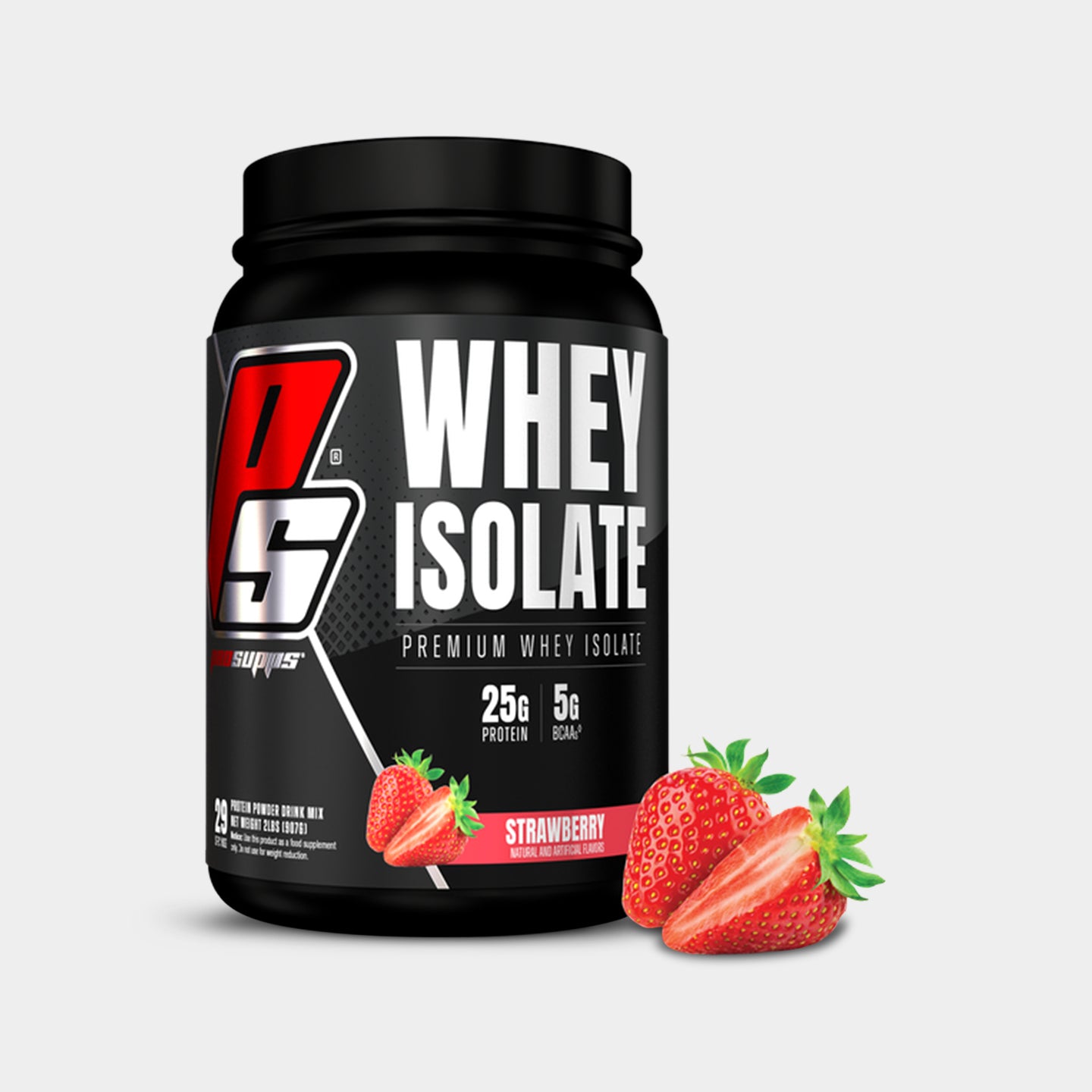
As a nutritional supplement, doses of 50 to 100 mg. per day are generally recommended. As a Therapeutic agent, higher doses may be used. In Germay, dosages of 600 mg. per day are prescribed for preventing the damaging effects of hyperglycemia in diabetes. Larger doses, 1200 mg. given intravenously, have been used to treat aminita mushroom poisoning.
R Alpha Lipoic Acid Side Effects & Precautions:
Clinical research has shown no evidence of carcinogenic effects with administration of alpha lipoic acid. Serious side effects have not been observed, even at high doses. Minor side effects include skin reactions and gastrointestinal effects, such as nausea and vomiting. However, these effects have only been observed in a small percentage of subjects who received intravenous infusions of 1,200 mg or more of alpha lipoic acid per day.
Alpha Lipoic Acid supplementation may reduce glucose and insulin levels in diabetics. Diabetics taking insulin or glucose lowering drugs will have to monitor their sugar levels and adjust medication as needed. Diabetics taking alpha lipoic acid supplements should work with their physician to monitor and and adjust any medication that they may be using. There is a lack of available data regarding use of alpha lipoic acid during pregnancy.
During more than three decades of scientific research and clinical usage no serious adverse effects have been reported as a consequence of alpha lipoic acid supplementation. The LD50 is approximately 400-500 mg/kg after oral dosing in dogs. High doses of alpha lipoic acid should be accompanied ty thiamine administration. An experiment done with rats showed that administration of alpha lipoic acid in extremely high doses (20 mg./kg) in the presence of a thiamine deficiency proved fatal. It would probably be beneficial to include a B-complex supplement in a regimen containing alpha lipoic acid.
R-Form Of ALA Has Great Benefits:
R-Alpha-Lipoic Acid is a naturally occurring substance that acts as a coenzyme in energy production in cellular metabolism and functions as an ideal antioxidant. Evidence shows that R-Alpha-Lipoic Acid delays the aging process, improves brain function and memory, stimulates immune function and supports liver health.
R-Alpha-Lipoic Acid is also indicated for several pathologies that include arteriosclerosis, atherosclerosis, arthritis, cancer, ischemia-reperfusion injury, apoptosis, and HIV infection, all involving inflammation. It also offers protection against the sequelae of diabetes, such as neuropathy, cataract, and cardiovascular disease. R-Alpha-Lipoic Acid ameliorates insulin sensitivity in type II diabetes.
R-Alpha-Lipoic Acid can directly and indirectly recycle ascorbate, glutathione, coenzyme Q10 and vitamin E. Hence, the idea of an "antioxidant network". In addition, lipoic acid has both water-soluble and membrane-soluble characteristics, enabling it to reduce oxidized antioxidants at the lipid/water interface.
R-Alpha-Lipoic Acid may also exhibit antioxidant activity by metal chelating which explains the usefulness of lipoic acid for the detoxification in heavy metal poisoning.
R-Form Benefit:
Conventional chemical synthesis of lipoic acid yields a mixture of R- and S-enantiomers. Lipoic acid from Alpha Science is processed in such a way as to yield the active R- isomer only with a purity guaranteed to be higher than 99%. Bioavailability of R- and S- alpha-lipoic acid has extensively been studied in humans using single dose administration.
Generally, there was no difference between R- and S- alpha-lipoic acid concentrations in plasma after intravenous administration. However, after oral intake of the combined mixture, at least a 60% higher response was found for R-lipoic acid than for the S-form.
Studies To Reference
- Nichols, T.W. Alpha lipoic Acid: Biological Effects and Clinical Implications,
- Moini, H., Tirosh, O., R-Alpha Lipoic Acid Action on Cell Redox Status, the Insulin Receptor, and Glucose Uptake in 3T3-L1 Adipocytes; Archives of Biochem & BioPhys 397, No2 384-391 (2002)
- Liu, J. Killilea, D.W. et.al., Age-associated mitochondrial oxidative decay: Improvement of carnitine acetyltransferase substrate binding affinity and activity in brain by feeding old rats acetyl-L-carnitine and/or R-alpha-lipoic acid. Proc Nat Acad Sci 99, 1876-1881 (2002)
- Liu, J., Atamna, H., et.al. Delaying Brain Mitochondrial Decay and Aging with Mitochondrial Antioxidants and metabolites. Ann NY Acad Sci 959:133-166 (2002)
- Liu, J., Head, E., et.al., Memory Loss in old rats is associated with brain mitochondrial decay and RNA/DNA oxidation: Partial reversal by feeding acetyl-l-carnitine and/or R-alpha lipoic acid. Proc Natl Acad Sci USA 99, 2356-2361 (2002)
- Hagen, T.M., Liu, J., et. al.; Feeding acetyl-L-carnitine and lipoic acid to old rats significantly improves metabolic function while decreasing oxidative stress, Proc Nat Acad Sci USA vol99, issue 4, 1870-1875 (2002)
- Hager, K., Marahrens, A.,et.al. Alpha lipoic acid as a new treatment option for Alzheimer type dementia, Arch Geron Geriatr 32 (3): 275-282 (2001)
- Hagen, T.M., Shigeno,E.T. et.al. Oxidative Stress in the Aging Rat Heart is Reversed by Dietary Supplementation with (R)-Lipoic Acid. FASEB J. 15, 700-706. (2001)
- Hagen, T.M. Increased mitochondrial decay and oxidative stress in the aging rat heart: improvement by dietary supplementation with (R)-lipoic acid. In, Free Radicals in Chemistry, Biology and Medicine 27, 262-271. (2000)
- Hagen, T.M., Vinarsky, V., et.al. (R)-alpha-lipoic acid reverses the age-associated increase in susceptibility of hepatocytes to tert-butylhydroperoxide both in vitro and in vivo. Antiox. Redox Signaling 2, 473-483. (2000)
- Hagen, T.M., Ingersoll, R.T. et.al. (R)-alpha-lipoic acid-supplemented old rats have improved mitochondrial function, decreased oxidative damage, and increased metabolic rate. FASEB J. 13, 411-418. (1999)
- Lykkesfeldt, J. Hagen, T.M., Age-associated decline in ascorbic acid concentration, recycling and biosynthesis in rat hepatocytes-reversal with (R)-alpha-lipoic acid supplementation. FASEB J. 12, 1183-1189. (1998)
- Packer, L; Tritschler, H.J.; Neuroprotection by the Metabolic Antioxidant Alpha Lipoic Acid; Free Rad Biol Med 22, Nos 1 / 2, 359-378 (1997)
- Hermann, R.; Niebch, G.; Enantioselective pharmacokinetics and bioavailability of different racemic alpha lipoic acid formulations in healthy volunteers. Eur J Pharm Sci 4: 167-174 (1996)
IDS Sports
Recommend this article to a friend by e-mail here!
Visitor Reviews Of This Article!
Read Visitor Reviews - Write Your Own Review
Back To IDS Sports' Main Page
Back To The Articles Main Page.
Related Articles
My Favorite MRP
Uncovering Agmatine - What Is It & What Does It Do?
Increasing Energy & Decreasing Fatigue.