Supplementation Are the Rice Krispies essential?
March 05, 2024
•
3 min read
Supplementation Discover our very own exclusive brands at Bodybuilding.com. Experience the perfect blend of quality, efficacy, and value tailored to help you reach your fitness goals. Welcome to a world of trusted supplements for your bodybuilding journey.
February 09, 2024
•
13 min read
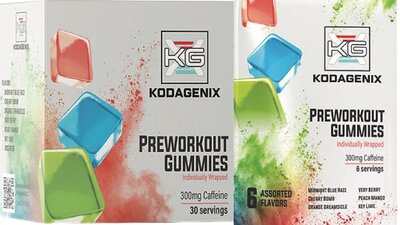
Supplementation Hear about the new pre workout gummies changing the supplement game
February 01, 2024
•
3 min read
Supplementation Hear about the new pre workout gummies changing the supplement game
January 01, 2024
•
4 min read
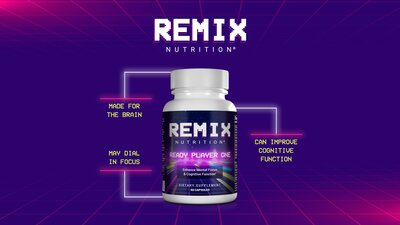
Supplementation Works to help you focus during gaming and everyday tasks.
January 01, 2024
•
2 min read
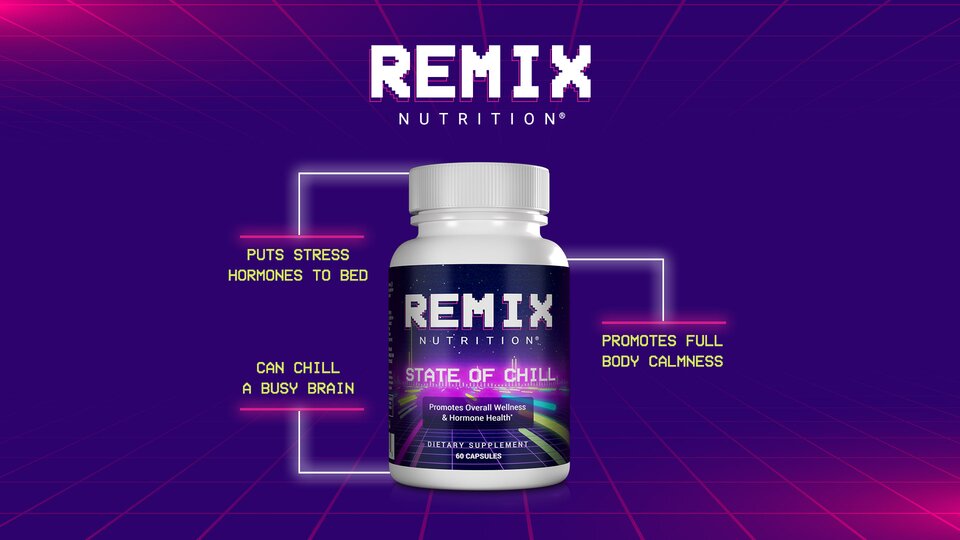
Supplementation Life stressing you out? State of Chill was designed to help.
January 01, 2024
•
1 min read
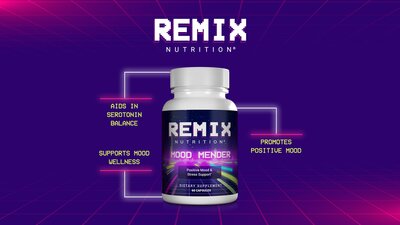
Supplementation Designed to enhance your mood and support stress levels.
January 01, 2024
•
1 min read
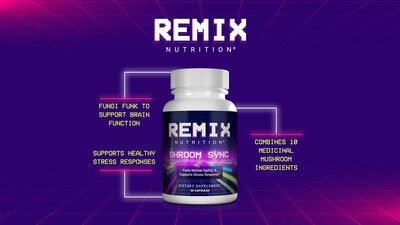
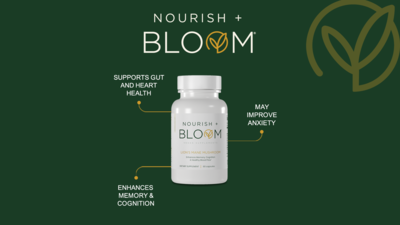
Supplementation Combines 10 of the top most powerful medicinal mushrooms all in one easy-to-swallow capsule.
January 01, 2024
•
3 min read
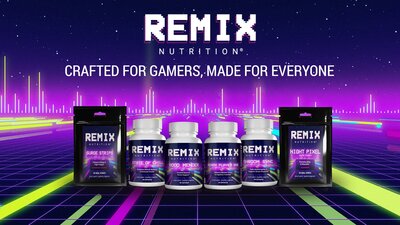
Supplementation Six new formulations made for focus, energy and sleep.
January 01, 2024
•
3 min read
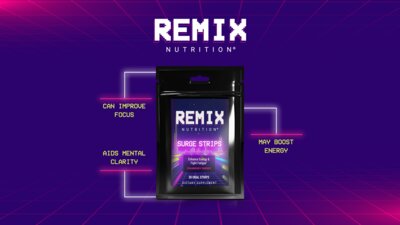
Supplementation Designed to give you energy without needing to take a sip
January 01, 2024
•
1 min read
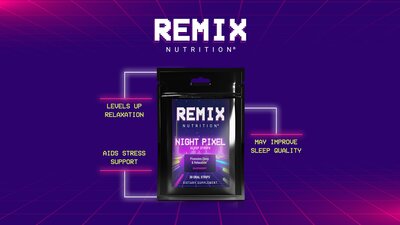
Supplementation Dissolvable strips designed to help you wind down for the night.
January 01, 2024
•
1 min read
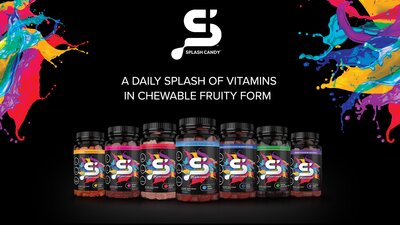
Supplementation A daily splash of vitamins in chewable fruity form.
December 13, 2023
•
5 min read
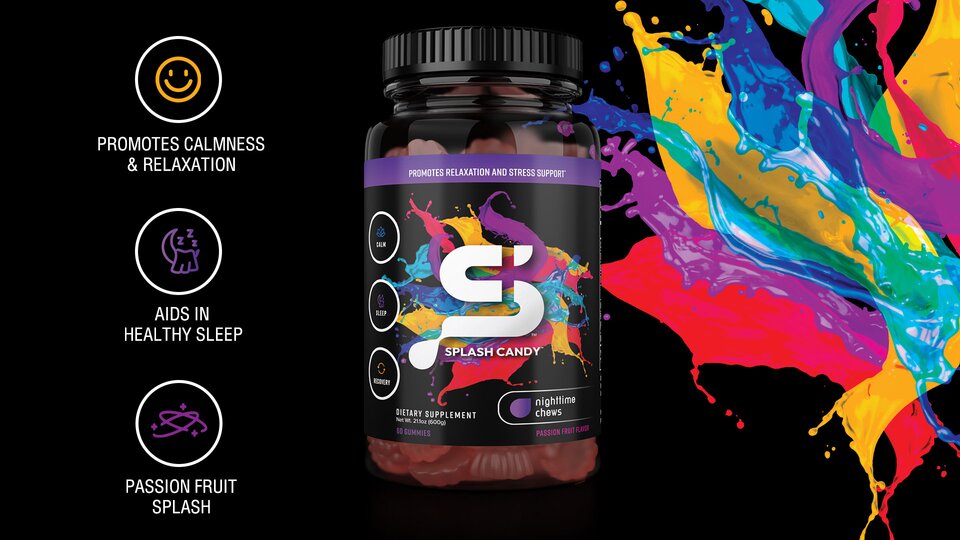
Supplementation Falling asleep just got easier with the help of natural calming ingredients.
December 13, 2023
•
1 min read
Supplementation Making health easier to swallow with seven new products and fruity flavors.
December 13, 2023
•
3 min read
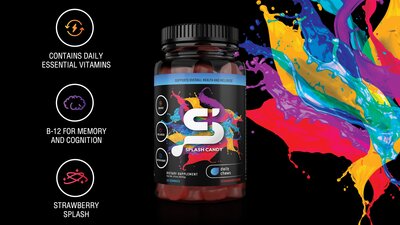
Supplementation Cover your bases with a full spectrum multivitamin
December 13, 2023
•
1 min read
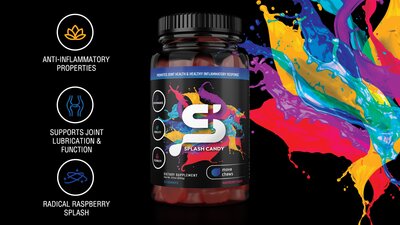
Supplementation Maintain healthy joints to keep movement as a part of your daily routine
December 13, 2023
•
1 min read
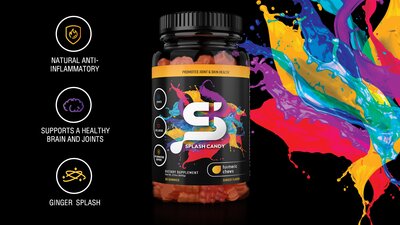
Supplementation Rid inflammation from the body to function at your best.
December 13, 2023
•
1 min read
Load More
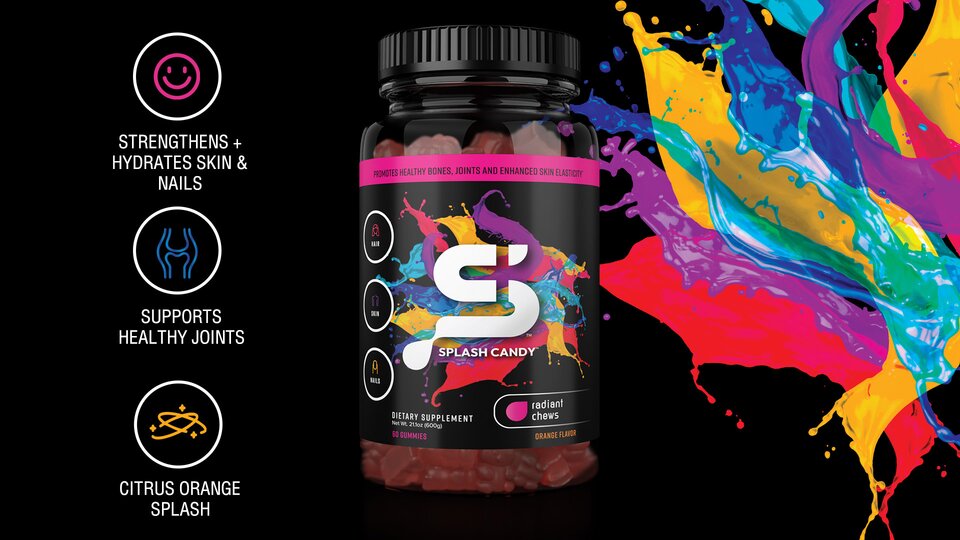
Supplementation Collagen gummies made for stronger bones, hair and nails.
December 13, 2023
•
1 min read
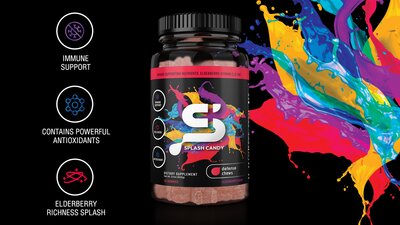
Supplementation Keep your immune system in check with powerful vitamins and antioxidants.
December 13, 2023
•
1 min read
Supplementation Gear up for the starting line. Grab the best supplements and tools for you or the competitor in your life.
November 15, 2023
•
3 min read
Supplementation Take time for you this holiday season. Stock up on everything you need to stay cool, calm and collected to power through.
November 15, 2023
•
2 min read
Supplementation Take time for you this holiday season. Stock up on everything you need to stay cool, calm and collected to power through.
November 13, 2023
•
15 min read
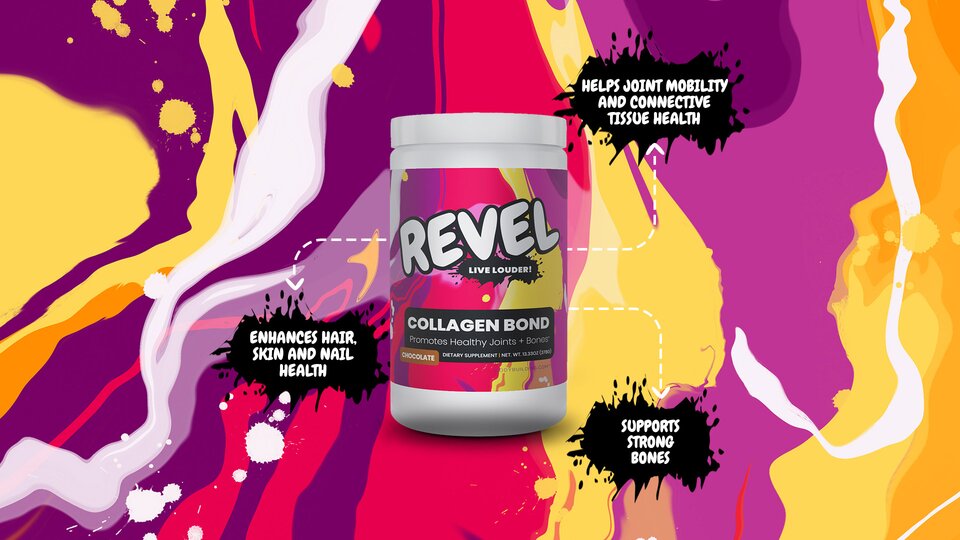
Supplementation Grass-fed collagen peptide powder loaded with amino acids.
November 13, 2023
•
1 min read
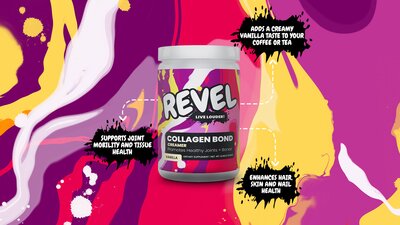
Supplementation High quality ingredients geared for easy absorption in the body with a delicious vanilla flavor.
November 13, 2023
•
1 min read
Supplementation Delivers beneficial bacteria to the gut to support a healthy metabolic response and microbiome.*
November 13, 2023
•
1 min read
Supplementation Works while you snooze to enhance metabolism and promote weight loss.
November 13, 2023
•
1 min read
Supplementation Designed to promote overall wellness, gut health, and immune support.
November 13, 2023
•
2 min read
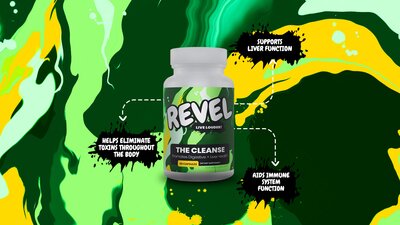
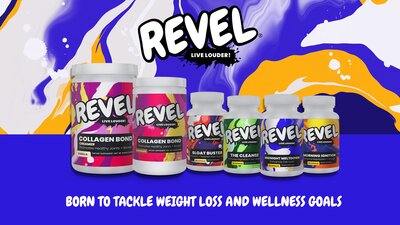
Supplementation Six new exclusive products geared towards everyday health goals
November 13, 2023
•
2 min read
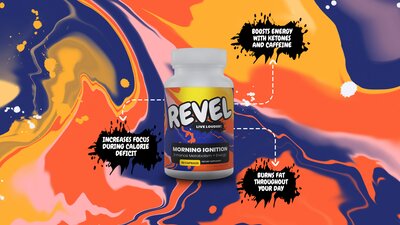
Supplementation Supports your body during ketosis metabolic state to aid with optimal fat burn.
November 13, 2023
•
2 min read
Supplementation Don't Just Grow, Bloom
October 22, 2023
•
17 min read
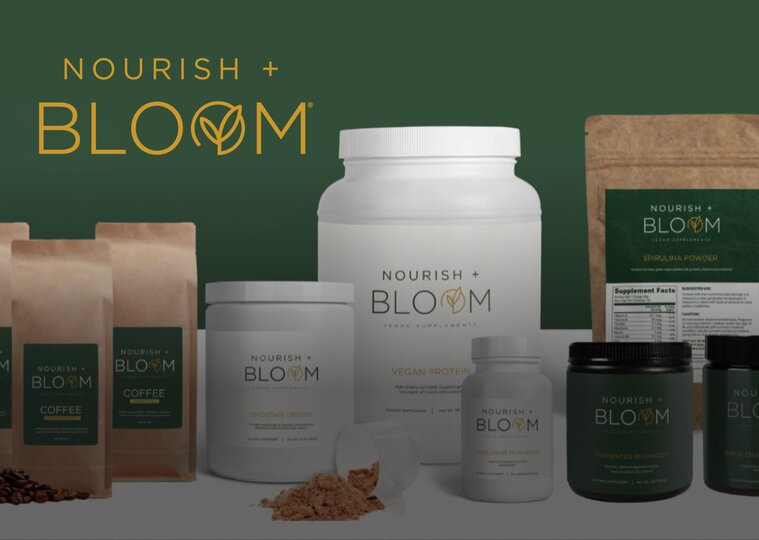
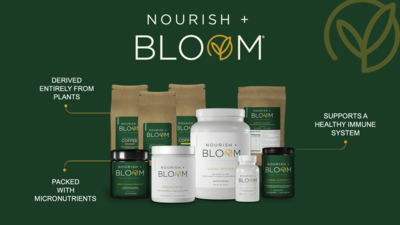
Supplementation Made with 100% plant-based ingredients to fuel your journey
October 22, 2023
•
4 min read
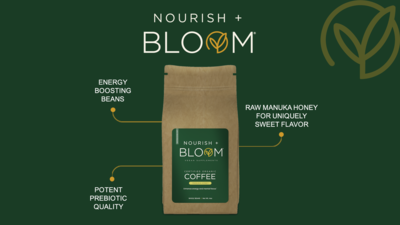
Supplementation Honey and coffee? A combo you don't want to miss
October 22, 2023
•
1 min read
Supplementation Blue-green algae known for its dense nutrient contents
October 22, 2023
•
1 min read
Supplementation The benefits of coffee and mushrooms in one cup
October 22, 2023
•
1 min read
Load More
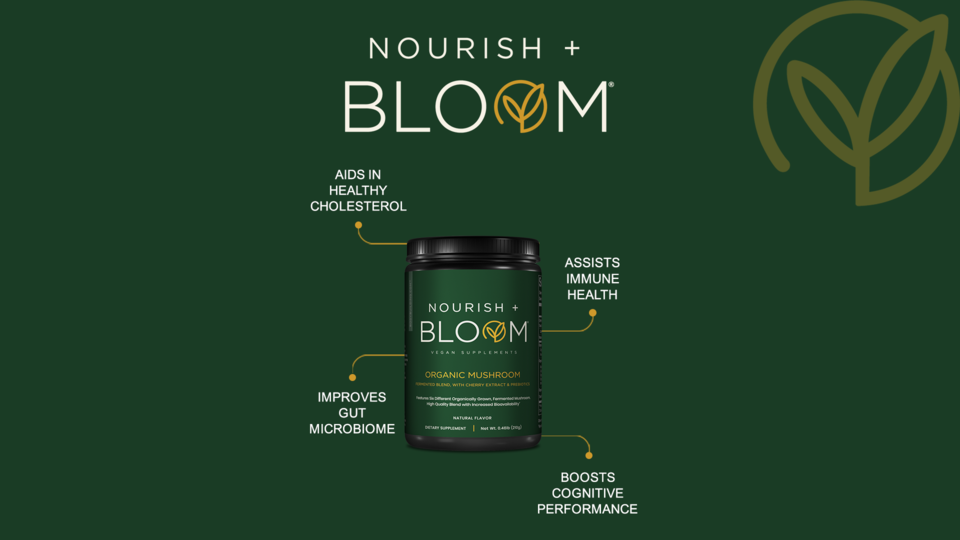
Supplementation Six different mushrooms in one scoop to help improve overall health.
October 22, 2023
•
2 min read
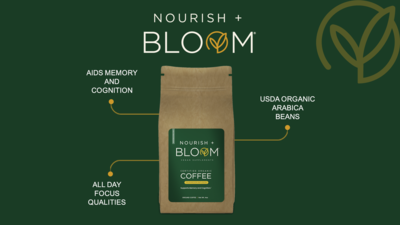
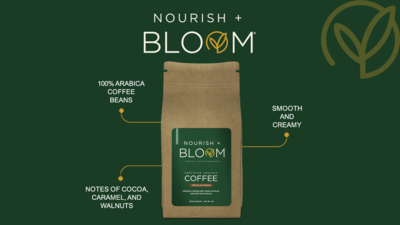
Supplementation 100% Arabica coffee beans to kickstart your day
October 22, 2023
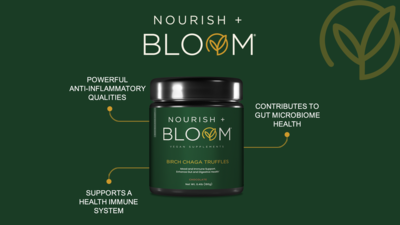
Supplementation The daily truffle that could potentially improve mood, immune support, and gut health
October 22, 2023
•
1 min read
Supplementation Improve focus and act as a holistic energy source for the body
October 22, 2023
•
2 min read
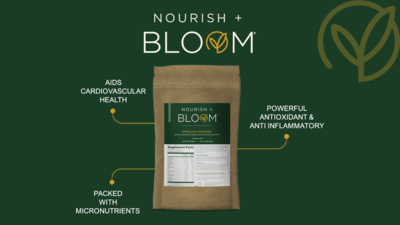
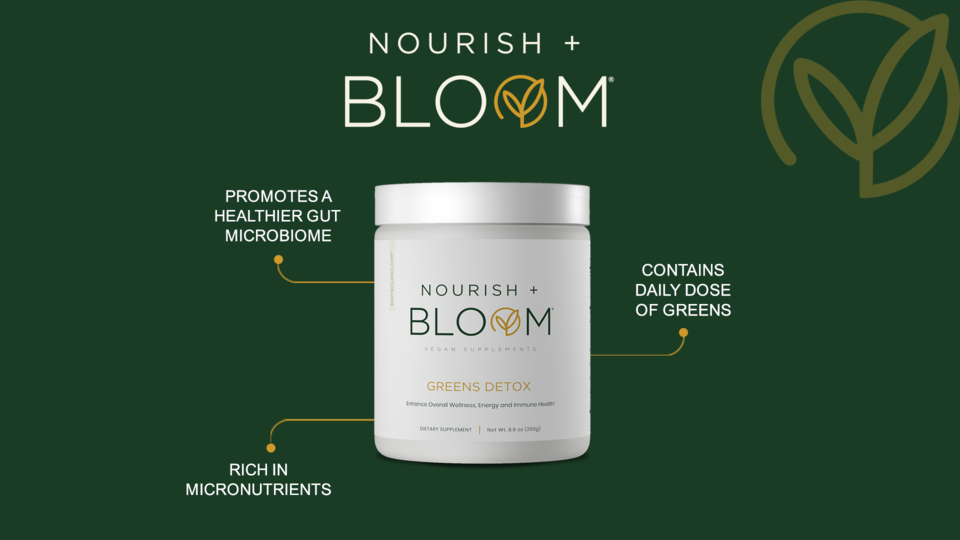
Supplementation Blend of organic grasses, superfoods, B-Vitamins, and botanical extracts to help you get the micronutrients you need
October 22, 2023
•
2 min read
Supplementation Blend of organic grasses, superfoods, B-Vitamins, and botanical extracts to help you get the micronutrients you need
September 29, 2023
•
3 min read
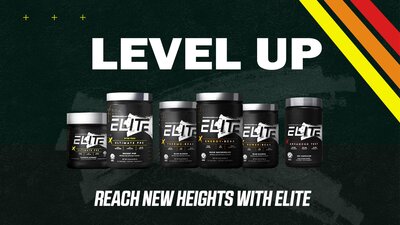
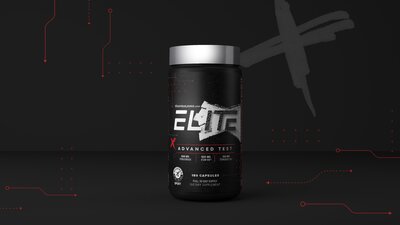
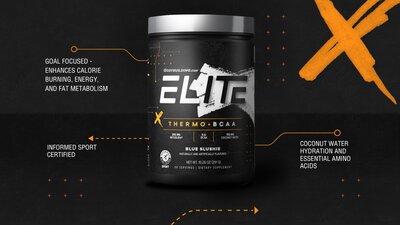
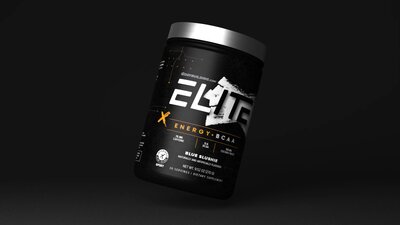
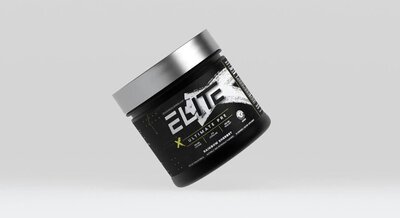
Supplementation Wondering which Bodybuilding.com ELITE supplements are right for you? Look no further.
August 17, 2023
•
5 min read
Supplementation You need more than just water.
July 17, 2023
•
3 min read
Supplementation A signature is a promise. A symbol of your identity. Your mark on the world. In 1999, Bodybuilding.com was founded on a single promise: Trust. It's who we are and it's in our blood. Our Signature line is built on the same promise. Every product is no-BS, transparent, filler-free, and formulated with effective doses of research-backed ingredients you can trust. We create the highest quality supplements, so you can focus on leaving a mark of your own.
July 07, 2023
•
11 min read
Supplementation Combining well-known and innovative ingredients to help boost those hormone levels.
June 06, 2023
•
4 min read
Supplementation Bodybuilding.com ELITE is scientifically formulated with the highest quality ingredients, 3rd party lab tested, banned substance free, and Informed Sport certified. Which gives you confidence in choosing ELITE for training and competition.
June 01, 2023
•
8 min read
Supplementation Looking for a product to help you lose weight? This is it.
May 31, 2023
•
3 min read
Supplementation These nootropic supplements can help make you smarter and more physically fit!
May 25, 2023
•
6 min read
Supplementation Meet the newest supplement to fuel your day
May 03, 2023
•
3 min read
Supplementation All the details about the newest Pre-workout aimed to help athletes excel.
April 24, 2023
•
5 min read
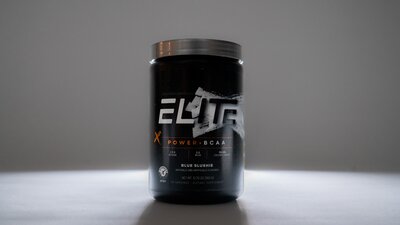
Supplementation If you are looking for a high quality supplement to help you perform at your best, you should try Bodybuilding.com Elite Power + BCAA.
April 19, 2023
•
3 min read
Load More