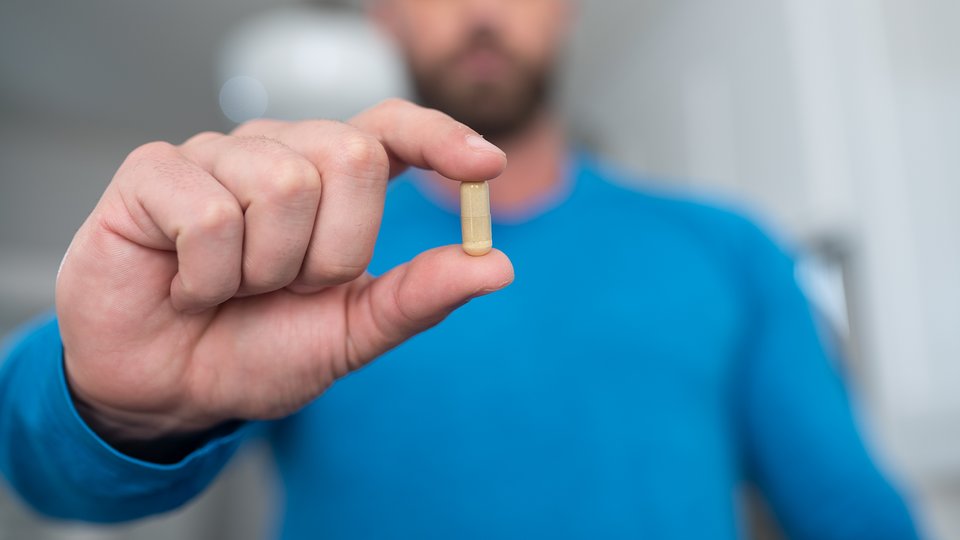
There has been a great deal of excitement among athletes and fitness enthusiasts alike over recent months regarding the use of the dietary supplement carnosine.
Carnosine (beta-alanyl-L-histidine) was discovered way back in 1900 showing a structure composed of a combination of two amino acids, histidine & beta-alanine1. Over the past 100 or so years the focus of research has developed around assigning carnosine a biological role or biological function you may say.
The search has spanned the disciplines of human physiology, biochemistry, and even neurochemistry. But from all the documented literature it wasn't until 1990's that the first of 2 human papers2,3 were released indicating its true nature with respect to exercise performance. So what's new? Well recent research in the UK may be about to show that just like with creatine will can elevate muscle carnosine stores in our muscles by take supplementary carnosine.
Mark J Tallon obtained his masters degree in Nutrition from the University of Liverpool England in 1990's and is now in the process of completing his PhD in muscle biochemistry under the supervision of Professor Roger Harris a leading creatine researcher and a carnosine specialist in his own right. Since the late 1990's Mark has worked with some of the world best Olympians in the area of nutritional biochemistry and applied sports nutrition and is the founder and chief scientific officer of OxygeniX.com which offers specialist nutritional advisory services to elite athletes and the general public interested in physique enhancement.
The following interview is designed to shed some light on what the future holds for the promising ergogenic aid…
Q & A With Mark J Tallon
David Kennedy: You are a scientist and recreational athlete. What led you to your interest in muscle biochemistry?
Tallon: Well, I have been a competitive athlete for some time and had the pleasure of working with some of the world's best athletes. I have also had a massive interest in how muscle physiology from my early days in weight training. So being in a situation where I can bring together both of these disciplines have been fantastic opportunity.
Over recent years the field of muscle physiology and the application of nutritional aids to athletic performance have attracted some great funding and as such more research and indeed more researchers.
David Kennedy: In which sports do you participate?
Tallon: In my teens I used to compete in many martial arts including karate and as such went onto work as a physiologist to the English national squad as well as many ultra endurance athletes. For the past few years I have been actively involved in iroman distance triathlons; which involves 2.5k swim, 180km bike and a full marathon to finish. So can really not say I don't walk the talk when it comes to applied sports nutrition. It's also a fantastic way to develop your self-esteem, confidence in the way you look, feel, and apply yourself to everyday work.
David Kennedy: I can truly relate to that. So you practice what you preach and combine you vocational training with your own personal interest in athletics. What led your research to carnosine?
Tallon: Following a master's degree in sports nutrition and many years of personal interest in the application of ergogenic aids to my own personal performance I knew this was the area for me. So I like everyone else was blown away by the change to the whole nutrition industry once creatine emerged, so I sought out the leader at that time in the field; Professor Roger Harris formally of the Karolinska institute in Sweden; now Research Professor at University College Chichester in the UK. Back in 1999 I was fortunate to secure a doctorate under his guidance in carnosine metabolism in human skeletal muscle. During this time the issues of carnosine and muscle performance and other areas of a more pathological nature such as age induced muscle loss were in their infancy.
David Kennedy: Ok let's get to it. So for our readers what is the role of carnosine in muscle metabolism and indeed how could increased muscle stores increase performance?
David Kennedy: As I mentioned carnosine metabolism was only just beginning to play a functional role in skeletal muscle function. Previously its primary role had pretty much been archived to been an antioxidant although there were two studies namely that of Parkhouse, (1995)2 and Harris & Greenhaff (1998)3 that had started to lay the foundations of my doctoral work in human physiology.
So how would it affect performance? Well Its definitely the case that carnosine is preferentially located in type II muscle fibres3.
This is even more apparent in the type IIx fibres, which provide us with the fast twitch characteristics, needed to propel the Maurice Green's of the world to sprinting excellence.
Carnosine is high in the muscle of those exposed to prolonged & low muscle pH (such as diving mammals4). This decrease in pH is not due to lactate purse, which you may have been told in the past, but rather the production of H+ (hydrogen ions) as part of the process of energy release. As we work at higher intensities we need an equal increase in our rate of energy production as such in events such as 800m running or intense weight training this turnover is high and as such the H+ formation is multiplied accordingly.
As H+ are released intramuscular pH can begin to fall leading to fatigue unless we can prevent it. So how do we achieve this maintenance (buffering) of pH? Wouldn't it be fantastic if we had a system in place that can do just this...well surprise surprise David we have. The main intramuscular buffering system involves phosphates (one reason why creatine is effective), bicarbonate, and proteins of which carnosine is a constituent.
At the physiological pH of which muscle contraction occurs (6.8) "carnosine can pick up H+ (associate) and prevent or should I say delay the inevitable decrease in pH increasing our ability to work harder for longer". The extent to which carnosine can delay acidosis is relative to its content in muscle, and this is where supplementation may eventually play a role. Sorry about the length of this reply by the way but I am sure this is a relatively new area to a lot of your readers…
David Kennedy: So what variation have you measured or observed in human subjects or athletes?
Tallon: Well as many of my studies are in review at present I have to be careful how much I give away until published, however what I can say is that we have biopsies from some extremely well trained bodybuilders and we have seen around a 50% increase in whole muscle carnosine which could be much higher in type II fibres due to the preferential distribution. This would have huge impact on performance and resistance to high intensity fatigue if we could achieve this through supplementation.
David Kennedy: So you suggested earlier that with increase muscle stores might come enhanced muscle function how could this be achieved? and have you carried out dosing?
Tallon: Supplemental carnosine is already sold in many health food stores but is promoted as either an antioxidant of a anti-ageing agent. Yes we have shown that carnosine can be elevated within skeletal muscle and have carried out a series of studies on different dosing regimes of between 3-30g a day. The problem at the moment is the cost of carnosine the production cost are not the cheapest so we have also worked on the use of beta-alanine as we already have plenty of histidine, the other constituent of carnosine floating about in plasma so we guessed that the limiting factor for its synthesis maybe beta-alanine.
As with all supplements it's not just the amount, but also the timing of when you take them, and not to take to big a dose to cause down regulation of transporters or pose a health risk. Will keep you posted on what the out come is later in the year.
David Kennedy: So are there any issues of safety on the use of carnosine?
Tallon: Well as described in the Harris et al paper3 there maybe some parathesis (tingling sensations as with high dose niacin) this may be brought about by prostaglandin release. The negative health effects are unknown at this time but carnosine is a well-known competitive inhibitor of taurine and has been used to deplete muscle taurine stores in cat muscle. The effect of this on muscle contractility is also un-know.
What we do know is that with relatively low dose carnosine supplementation similar to that found in the normal dietary experience of meat eaters has revealed no negative effects to a variety of health markers. Evidence from liver or kidney function tests, cardiac function (tropin), or any other relater clinical data suggest carnosine over the short term (1 month) is in no way detrimental to any of the above factors versus a maltodextrine placebo.
David Kennedy: Have you taken any performance measures to date?
Tallon: To date we have looked at different measures of contractility using involuntary electrical stimulation of the muscle and some performance tests. With beta-alanine there seems to be some effect as for carnosine we are still correlating our results. However anecdotally I have taken it my self and for any high intensity work its seems to work fantastic however endurance performance seems to show little effect, we will just have to weight for further clinical data. Oh there was also a study by Suzuki6 last year presented at the ACSM (American College of sports medicine) and showed a significant higher mean power during repeated sprint in subjects with the higher muscle carnosine concentrations.
David Kennedy: That explains a lot but just to step back a second what's happening bio chemically to achieve "carnosine loading".
Tallon: OK so a bit of science 101 well briefly when we eat a food containing carnosine it gets hydrolysed (broken down) to its constituent amino acids namely histidine and beta-alanine by the enzyme carnosinase, this is highly active in blood. These amino acids are then taken up into the muscle where they are reassembled or resynthesized to carnosine by carnosine synthetase. We know little of the transport system at present and are some years away from the knowledge we have on creatine transports.
David Kennedy: At present the above concepts have not been fully verified in human research but do have some preliminary evidence from animal studies. Please give us a brief overview of them…
Tallon: Although dietary studies are rare restrictive diets where removal of one of carnosines constituent amino acids are Histidine has been the focus of dietary restriction studies and the findings are not unexpected and show that after removal of histidine from the diet for periods as short as 24 days and as long as 12 weeks muscle carnosine levels are reduced7,8.
As for beta-alanine there is one very well designed study probably the best out there in terms of analytical techniques used and the outcome of the study design i.e. GREAT NEWS FOR US. Dunnett et al9 showed that after feeding a combination (yes even the biochemists use stacking) of beta-alanine (100mg/kg body weight) and histidine (12.5mg/kg body weight) for 30 days increased muscle carnosine by 13%. More recent studies by Maynard10 over in Kentucky have shown a 2-5 fold increase in rat muscle carnosine with a diet consisting of 1.8% carnosine.

David Kennedy: Do you think carnosine would be significantly depleted with exercise?
Tallon: Well it depends on many factors duration and intensity etc the have been a few studies carried out by Bump et al11 looking at intermittent exercise which showed a decrease in muscle carnosine contents. This study however was seriously flawed because they looked at muscle as wet weight and during exercise you get a large change in muscle blood content so the weight is elevated yet carnosine contents do not so in comparison to controls it looks like you have a loss of carnosine.
Dunnett et al repeated an even higher intensity exercise protocol and showed no significant change in freeze dried muscle. In humans we do not know however even if it were lost into plasma we could not measure it as the breakdown of carnosine to beta-alanine and histidine is so fast. Therefore we would have to either look at muscle loss or the release of histidine and beta-alanine in plasma as predictors of loss. To be honest David my guess is there will be little significant loss in human muscle as well.



David Kennedy: Can carnosine supplementation have any other value to a healthy person other than improving performance?
Tallon: I have been so luck over the past few years to work with Mr Nicola Muffulli a leading orthopaedic surgeon and Dr Mark Tarnopolsky who to many will not need an introduction due to his many contributions to the field of sports nutrition. In a recent study to be presented in 2003 at the ACSM conference on ageing we have shown a marked decrease in muscle carnosine stores in the elderly, which may in some cases lead to a loss of functional buffering capacity of 10% or greater.
If we could in effect reverse this through supplementation we could possibly ameliorate the associated symptoms of strength loss in the elderly. Other recent areas of study on autistic children taking 400mg of 2 times a day for 12 weeks showed significant improvement in these children's behavior12.
David Kennedy: What might a vegetarian experience by taking a Carnosine supplement?
Tallon: I would certainly see a role for carnosine supplementation in the vegetarian population were limited carnosine or its precursors are present in the diet. As with creatine and vegetarians the lower the natural levels of carnosine the bigger the response to supplementation and associated performance changes.
David Kennedy: What is your research looking into now?
Tallon: At present we are furthering our understanding of the biochemical pathways for the synthesis of carnosine as well as some novel delivery systems that may enhance further still previous levels of uptake. We are also investigating the specifics of training induced chances in muscle carnosine.
David Kennedy: Where do you think your research will be going in the future?
Tallon: For our laboratory here in the UK our interests are in human metabolism and the biochemistry of high intensity muscle fatigue. So further work on carnosine and its related metabolites will continue as well as its distribution in different athletic populations and more specifically the localisation / distribution of carnosine in individual muscle fibres.
David Kennedy: I know this research will help a lot of athletes and fitness enthusiast reach their goals. Thank you for sharing you knowledge with us
Tallon: It's been a pleasure!
Note: NOW Foods carries a great quality carnosine which you can view here.
REFERENCES
Crush KG: Carnosine related substances in animal tissues. Comp Biochem Physiol 34: 3-30, 1970
Parkhouse WS, McKenzie DC, Hochacha PW: Buffering capacity of deproteinised human vastus lateralis muscle. J Appl Physiol 58: 14-17, 1995
Harris RC, Dunnett M, Greenhaff PL: Carnosine and Taurine contents in individual fibres of human vastus lateralis muscle. J Sport Sci 16: 639 -643, 1998
Suyama M, Suzuki T, Maruyama M, Saito K: Determination of carnosine, anserine and balanine in the muscle of animals. Bullitin Jap Soc Sci & Fish 36: 1048 - 1053, 1970
Suzuki Y, Ito O, Mukai N, Takahashi H, Takamatsuma K: High levels of skeletal muscle carnosine contributes to the latter half of exercise performance during 30s maximal cycle ergometer sprinting. Jap J Physiol 52 (2): 199 - 205, 2002
Amend JF, Strumeyer DH, Fisher H: Effect of Dietary histidine on tissue concentrations of Histidine containing dipeptides in adult cockerels. J Nutr 109: 1779 -1786, 1979
Easter RA &Baker DH: Nitrogen metabolism, tissue carnosine concentration and blood chemistry of gravid swine fed graded levels of histidine. J Nutr: 120-125, 1977
Dunnett M & Harris RC: Influence of oral beta-alanine and L-Histidine supplementation on the carnosine content of gluteus medius. Equine Vet J 30: 499 - 504, 1999
Maynard ML, Bossonneault GA, Chow CK, Bruckner GA: High levels of dietary carnosine are associated with increased concentrations of carnosine and in rat soleous muscle. J Nut 131: 287-290, 2001
Bump KD, Lawrence LM, Moss LR, LaRocca GL, Miller-Graber PA, Kurcz EV and Fisher MG: Muscle carnosine levels during training and exercise. In Proc. 11th Eq Nutr. Physiol. Symp :35 1989
Chez MG, Buchanan CP, Komen JL, Becker M: Double-blind placebo-controlled study of L-Carnosine supplementation in children with autistic spectrum disorders. In press, 2002-10-04

Recommend this article to a friend by e-mail here!
Visitor Reviews Of This Article!
Read Visitor Reviews - Write Your Own Review
Back To Mark Tallon's Main Page
Back To The Articles Main Page.
Related Articles
Clayton's Health Facts: Tyramine (4-hydroxy-phenethylamine).
Lipoic Acid: The Super Supplement!
Clayton's Health Facts: Vitamin E.