
What Is The Glycemic Index?
Not all carbohydrate foods are created equal, in fact they behave quite differently in our bodies.
The Glycemic index (also GI) is a ranking system invented by Dr. David J. Jenkins and colleagues in 1981 at the University of Toronto that ranks the effects of carbohydrates on blood glucose levels. The GI Index compares available carbohydrates gram for gram in individual foods, providing a numerical, evidence-based index of postprandial (post-meal) Glycemic.
How The Glycemic Index Works
Carbohydrates that break down slowly, releasing glucose gradually into the blood stream, have a low glycemic index. A lower glycemic index suggests slower rates of digestion and absorption of the sugars and starches in the foods and may also indicate greater extraction from the liver and periphery of the products of carbohydrate digestion.
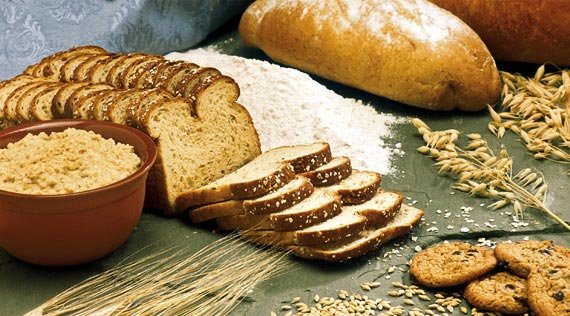
Carbs that break down slowly have a low glycemic index.
Examples of some low GI foods include:
- Peanuts
- Artichoke
- Asparagus
- Broccoli
- Cauliflower
- Celery
- Cherries
- Cucumber
- Grapefruit
- Green beans
- Lettuce, all varieties
- Low-fat yogurt
- Peas
- Peppers, all varieties
- Soy beans
- Spinach
- Tomatoes
- Zucchini
Carbohydrates that break down rapidly during digestion have the highest glycemic indices. Examples include:
- White bread
- Watermelon
- Puffed wheat
- Corn chips
- Waffles
- Rice cakes
- Candies
- Pretzels
- White potatoes
- Brown rice
- White rice
- Dates
What Are The Benefits Of The Glycemic Index?
Eating a lot of high GI foods can be detrimental to your health because it can raise blood sugar and as such pushes your endocrine system to extremes. This is especially true if you are overweight and sedentary.
Switching to eating mainly low GI carbohydrates that slowly trickle glucose into your blood stream has many benefits, such as:
- Low GI diets increase the body's sensitivity to insulin
- Low GI carbohydrates improve diabetes control
- Low GI carbohydrates reduce the risk of heart disease
- Low GI carbohydrates reduce blood cholesterol levels
- Low GI carbohydrates reduce hunger and keep you fuller for longer
- Low GI carbohydrates prolong physical endurance
- Low GI diets help people lose and control weight
- Low GI diets help minimize carbohydrate cravings
- Low GI diets help minimize energy crashes
Note: there is a time and place for high GI carbohydrates. High GI carbohydrates help re-fuel and maximize carbohydrate stores after exercise.
How To Start Switching To A Low GI Diet
The basic technique for eating the low GI way is simply choosing low GI carbohydrates over high GI carbohydrates. It is that simple. You do not need fancy monitors or a log book.
Here are some tips to start you on your way:
- Skip sugary box cereals like Cocoa Puffs. Instead choose breakfast cereals based on oats, barley and bran
- Skip the white bread and instead choose breads with whole grains, stone-ground flour, sourdough
- Reduce the amount of white potatoes you eat, substitute for yams and sweet potatoes
- Skip the white rice and instead choose Basmati rice
- Eat plenty of salad vegetables with a vinaigrette dressing
- Minimize fruit juices
- Choose cherries, peaches, grapefruit or bananas over watermelon or dates
Update (In Response To Forum Discussion)
My short article was not meant to teach years of nutrition in under 1,000 words.
- I would say that the glycemic index is NOT useless. It provides information regarding how quickly a food can affect blood glucose levels. Glycemic load however, is also an important concept to understand. When combining both, diets can be tweaked and blood insulin levels better managed.
- Carbs when eaten with fats and/or protein will not have the same GI when eaten alone. When carbs are eaten with protein and with fats the GI will change. For instance, pasta when eaten with chicken will have a lower GI then pasta eaten alone.
Calories do matter and so does the type of carb.
The type of carb effects many process in the body. The writer is quoting just one study, and a study that did not look at bodybuilders, just a small group of people that do not have lots of muscle or care to be bodybuilders.
Regarding white bread, it is NOT a simple carb by the true definition of the word. Many people refer to it as a simple carb because the Glycemic index (GI) of white bread is high (GI is is 73). For this reason white bread is not a preferred choice of mine to eat unless immediately following a work out, when it is preferable to ingest carbs with a higher GI. Foods with higher GI are digested and absorbed into the bloodstream faster than foods with a lower GI.