
| Article Summary: |
The optimal digestion of proteins and carbohydrates is an often-underestimated factor concerning sports performance and the building and strengthening of muscle tissue.
However, with science proving the importance of digestive enzymes on the uptake and assimilation of performance nutrients - proteins and carbohydrates primarily - athletes, including bodybuilders, are now supplementing with an array of products designed to improve the breakdown and absorption of key food groups.
Being critical for the assimilation of nutrients, digestive enzymes - designed to govern various physiological and chemical processes through working on, and maximizing, specific nutrients - are produced in our bodies naturally, and - as the main way we can obtain them, or so it is often thought - found in the foods we eat.

 Click Image To Enlarge.
Athletes Are Now Supplementing With An Array Of Products Designed
To Improve The Breakdown And Absorption Of Key Food Groups.
Why is it then that so many people experience various digestive difficulties, and cannot properly absorb their food despite their best efforts?
Genetic differences (among those people with lactose and gluten intolerance, for example) can prevent some people from properly absorbing certain nutrients, while the increasingly poor quality of the foods we eat (often resulting from, and not limited to, contaminated soil, spoilage and the use of nutritionally inert substances to manufacture foods) and the cooking methods used to prepare some of these foods (which can effectively destroy the enzymes designed to digest them) can render certain types lacking in important enzymes.
For example, lean meat - a rich source of dietary protein and a staple for hard training bodybuilders - can be overcooked to where its natural enzymes are virtually destroyed (raw food advocates feel raw meat is the optimal way in which to ensure complete digestion of it).
|
|
|
|
|
By adding papain, available in supplemental form and found in pineapple, the protein contained in meat fibers can be better assimilated. In fact, certain fresh fruits and vegetables can be an excellent way to boost digestive enzyme levels to aid muscle growth and performance.
However, even this approach can be flawed in that availability, nutritional quality, optimal quantity of nutrients delivered to the system and personal preference can impede any potential benefits to be derived.
Further, all processed and chemical-laden foods are completely devoid of digestive enzymes and the raw, "healthy" foods we eat often do not contain enough to warrant using them as the primary way to obtain these important facilitators of digestion.
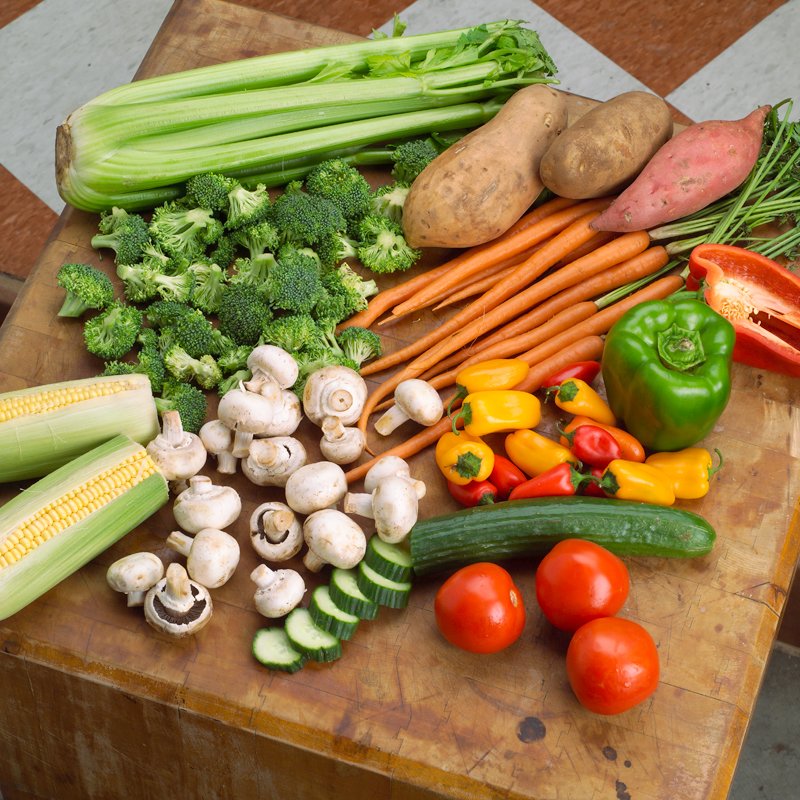 Click Image To Enlarge.
Certain Fresh Fruits And Vegetables Can Be An
Excellent Way To Boost Digestive Enzyme Levels.
And if all of this wasn't worrying enough for those seeking optimal digestion and excellent health, the stomach acids we naturally produce to break down foods can actually inactivate the enzymes these very foods require for proper digestion (1).
It is for these reasons, and a greater awareness among athletes of the importance of digestive enzymes, that the popularity of these substances' supplemental form has, in recent times, increased.
 View Digestive System Health Products Sorted By Top Seller Here.

What Are Digestive Enzymes And What Do They Do?
By now we know that digestive enzymes are important for the breakdown and absorption of nutrients, but what are they exactly and how do they perform their vital functions?
Digestive enzymes are classified by their substrates. These include the following (2):
- Proteases and peptidases, which split proteins into amino acids.
- Lipases, which split fats into three fatty acids and glycerols.
- Carbohydrases, which split carbohydrates such as starches into sugars.
- Nucleases, which split nucleic acids into nucleotides.
 |
Proteases & Peptidases: Lipases: Carbohydrases: Nucleases:
|
|
|
||
The enzymes that fall under these substrates, of which are used for digestion in the oral cavity, stomach, duodenum and jejunum and which are secreted by glands in the stomach, mouth, pancreas and small intestine, are protein-like substances that serve to spark and intensify chemical reactions within all cells of the human body.
As catalysts for many vital functions, our trillions of enzymes serve important roles and must be available when needed. While certain of them can be produced in the pancreas (3) (for protein digestion primarily), we can only produce so many and to maintain a sufficient supply we must obtain them through the foods we eat and by supplementing our diets with digestive enzyme products.
Since enzymes govern all that we do, a lack of them could mean degradation or death of the tissues they support. And since digestive enzymes support the complete digestion and assimilation of nutrients, and because from food comes life, it is all-important to ensure we have a ready supply to sustain the chemical reactions needed for continued survival.
 Click Image To Enlarge.
It Is All-Important To Ensure We Have A Ready Supply Of Enzymes
To Sustain The Chemical Reactions Needed For Continued Survival.
Key Enzymes Used Supplementally Among Athletes
While most of us will ensure (though not optimally) the continued ticking of our bodies enzyme-governed processes through eating well, for athletes it is imperative that they not only eat a balanced diet with an emphasis on quality high biological value proteins and top-grade complex carbohydrates, but they must also ensure that the foods they consume are fully absorbed, something that is, as discussed, all but impossible with whole foods alone.
Later in this article we will review several studies to show how targeted supplementation can boost enzyme levels, and subsequent food absorption, above and beyond what can be expected through diet alone. For now, here is a list of the digestive enzymes needed by athletes, and indeed all of us, the various functions they govern, and the foods they can be found in.
Papain:
-
Used for breaking down tough
meat fibers to ensure the better assimilation of protein and transport of
amino acids to the muscles. Present in papaya.
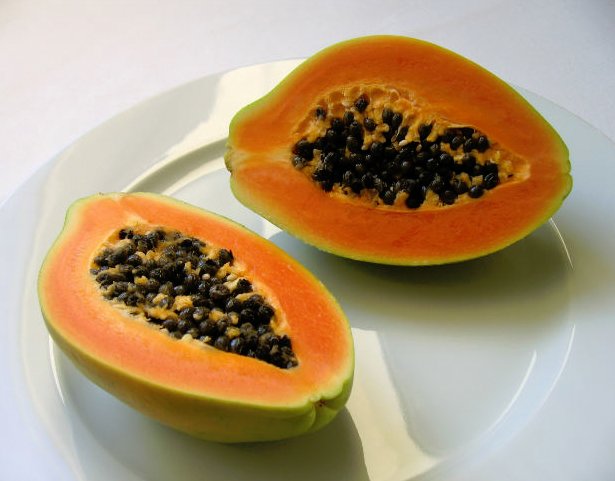 Click Image To Enlarge.
Papain, Found In Papaya, Is Used
For Breaking Down Tough Meat Fibers.
Bromelain:
-
As a proteolytic enzyme, bromelain helps with the digestion of protein (when taken with meals) and serves as an anti-inflammatory (when taken between meals, on an empty stomach).
Can be used by people suffering from arthritis, and those wanting faster, more complete absorption of proteins. Present in pineapple.
| RELATED ARTICLE | |||
|
Author: Monique Gilbert 
|

Amylase:
-
Breaks down starches into sugars, digests carbohydrates (polysaccharides) into smaller units (disaccharides) and ultimately into monosaccharides such as glucose.
It begins the process of human digestion in the mouth where it is contained in saliva. It is also made by the pancreas (alpha amylase) and found in some plants.
Glycine Betaine:
-
Used to protect the body from osmotic
stress, drought, high salinity or high temperature and permits cellular water retention thus protecting us from the effects of
dehydration (4). Can be found in seafood, wheat germ and spinach.
 Click Image To Enlarge.
Glycine Betaine Permits Cellular Water Retention
Thus Protecting Us From The Effects Of Dehydration.
Pepsin:
-
A digestive protease, pepsin, released by the chief cells of the stomach (contained in the mucosal lining), degrades proteins into peptides and amino acids - these can then be readily absorbed by the intestinal lining.
Lipase:
-
Lipases are important in the digesting, transporting and processing of dietary lipids (
fats, triglycerides and oils). Human pancreatic lipase - responsible for breaking down fats in the human digestive system - converts triglycerides into substrates found in ingested oils to mono-glycerides and free fatty acids (5).
Primarily produced by the pancreas but also by the mouth and stomach, lipase has additionally been used by health care professionals to treat food allergies, cystic fibrosis and auto-immune disorders such as rheumatoid arthritis (6). It is not found in food.
|
Cystic Fibrosis: Cystic fibrosis (also known as CF, mucovoidosis, or mucoviscidosis) is a genetic disorder known to be an inherited disease of the secretory glands, including the glands that make mucus and sweat. |
|
|
||
Trypsin:
-
Another of the proteolytic enzymes, trypsin acts to break down protein molecules found in foods to their component peptides and amino acids.
Produced by the pancreas in inactive form, trypsin exerts its maximal enzymatic activity in the small intestine where it continues the process of digestion.
Sucrase:
-
Secreted by the small intestine, sucrase is the name given to several enzymes responsible for catalysing the hydrolysis of sucrose to its constituent molecules, fructose and glucose (basically it breaks down larger sugar molecules to smaller sugar molecules).
| FORUM THREAD | |||
|
Started By: Big Boi 1906 
|

Boost Your Bodybuilding Progress With Enzymes
Hoisting the iron on a regular basis, and recovering from such sustained exertion, requires the interplay of several key nutrients delivered before, after and, often, during intense training sessions.
Failure to address training nutrition can leave the bodybuilder feeling like a sloth on diazepam rather than a highly supercharged athlete capable of exerting periodic sustained maximal effort over, in some instances, a 1-to-2 hour period.
But even when correct nutrition is in place many bodybuilders cannot rise to the occasion for lack of the digestive enzymes necessary to break down the proteins and carbohydrates needed for maximal application of intensity, and post-workout muscle repair and glycogen repletion.
 Click Image To Enlarge.
Failure To Address Training Nutrition Can Leave
The Bodybuilder Feeling Like A Sloth On Diazepam.
In other words, the results bodybuilders often achieve could be so much more profound had they sufficient digestive enzyme levels to ensure the proper absorption of the foods they eat.
For example, post-training is widely known for being the perfect time to saturate the muscles with protein and carbohydrates, as the body is chemically more receptive to these nutrients at this time.
Since intensive exercise degrades muscle protein stores, in order to ensure optimal protein synthesis post-workout fast-acting carbohydrates such as maltodextrin are needed almost immediately to raise insulin levels.
| RELATED ARTICLE | |||
|
Author: MuscleTech 
|

As insulin - a powerful anabolic hormone - is a natural inhibitor of muscle protein breakdown and will counterbalance the effect of the muscle damage sustained during workouts, its release post-workout cannot be overstated.
However, if short burst carbohydrates cannot exert their maximal effect due to insufficient enzyme levels needed to absorb them, then protein synthesis, and subsequence muscle growth due to insulin secretion is compromised as a result.
Exactly the same thing holds true for post-workout protein consumption: to be broken down into the amino acids necessary for muscle rebuilding (anabolism) protein first must be properly digested.
|
|
|
|
|
If the right enzymes were in place from the outset, bodybuilders would be better able to utilize these valuable nutrients to kick-start the muscle-building process. And as we have discussed, dietary inclusion of these enzymes, while good and admirable, can only provide a certain level and, in many cases, will only have a marginal effect.
As is becoming clear, supplementing, coupled with the inclusion of enzyme-rich foods, appears to be the best way forward. This being said, to boost their bodybuilding progress and performance, many athletes at the cutting edge of exercise science have used digestive enzymes contained in foods to great effect.
Bodybuilder and training/nutrition expert Kris Gethin is one such athlete. Says Kris:
-
"As a natural bodybuilder I have always sought ways to increase my nutrient synthesis, making sure that I absorb as much of my food as possible.
Many bodybuilders seem to focus on how much protein, carbs and fats they should be taking in when my focus has more so been on how much I can absorb them. For that reason I try to eat a spectrum of enzymes from various fruit sources and sprouted seeds at each meal.
I have always had a sensitive stomach so taking these enzyme rich foods with various powder supplements such as creatine helps with my digestibility in order to avoid discomfort."
 Click Image To Enlarge.
Bodybuilder And Training/Nutrition Expert Kris Gethin.
While Kris has benefited from the inclusion of enzyme-rich foods in his diet, his example might be an exception to the rule given his diet is exemplary and his genetics are well suited for bodybuilding.
And, as discussed earlier, the enzyme levels contained in, coupled with the cooking methods used for, and the quality of the foods we eat negates much of their enzymatic benefits.
What Kris has to say, however, about absorption being a critical feature of bodybuilding nutrition goes far to underscore the importance of ensuring optimal enzyme levels.
Science Supports Supplemental Enzymes
With athletes - bodybuilding and otherwise - and especially those of a natural inclination, looking to achieve better conditioning, performance, size and strength, there is always scope for science to lead the way.
With all that can, and often does, go wrong in planning for maximal training intensity and optimal recovery and growth, it is no surprise that many athletes fall short of what their genetics ultimately could allow them to achieve.
 Click Image To Enlarge.
It Is No Surprise That Many Athletes Fall Short Of What
Their Genetics Ultimately Could Allow Them To Achieve.
One area athletes often neglect is the importance of enzyme function on the foods they eat. And as discussed earlier, the proper digestion of quality foods is imperative, not only for athletic success but also for the healthy survival of all of our cells.
Protein: King Of The Building Macronutrients
Since it is recommended that bodybuilding and strength-training athletes consume at least one gram (and sometimes as high as two grams) of protein per pound of bodyweight, athletes assiduously follow this golden rule and muscle growth generally results.
But as we have learned, consumption and absorption are two different things and exactly how much of this protein is used by the muscles is often a point of contention in scientific circles, and among the bodybuilders themselves.
Another thing: stress halts digestion, and this prevents most of us from digesting our proteins fully. As a result of the fight or flight response to stress, our heart rate rapidly increases and our breathing becomes shallow.
Because of this, digestion slows down or stops completely and our muscles tighten as a way to prepare our bodies to run or fight. And stress can come in many forms: some of the supposedly more innocuous stressors include over-consumption of caffeine and alcohol, and high fat or high starch meals.
| RELATED ARTICLE | |||
|
Author: Marie Spano 
|

These practices - commonplace the world over - all slow protein absorption: the key for all athletes, then, it seems, is finding a way to ensure maximal protein uptake with minimal waste.
The most important areas governing how well our bodies absorb nutrients, including protein, are:
- The duration for which food remains in the small intestine (where most nutrients are absorbed)
- How efficiently and affectively the digestive enzymes the body produces work
One of the best ways to achieve an optimal nitrogen balance resulting from adequate protein consumption is to supplement with whey protein.
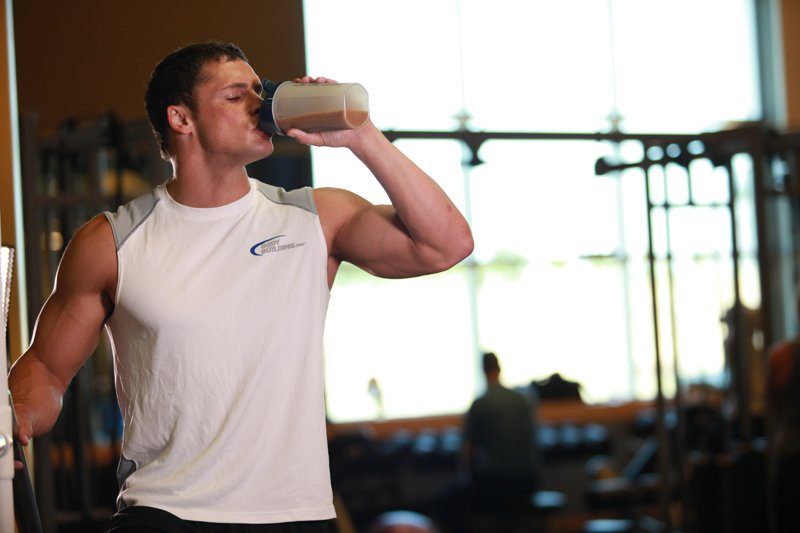 Click Image To Enlarge.
One Of The Best Ways To Achieve An Optimal Nitrogen
Balance Is To Supplement With Whey Protein.
However, a study published in 2008 (7) raised the possibility that due to an inhibition of endogenous (internally derived) enzymes from over processing and rapid small intestine transit time (the duration for which the constituents of protein remain in the small intestine for processing), as little as 15 grams on average (from a 50 gram serving) of whey protein might only be absorbed and used for muscle growth.
The authors of the study (Oben, Kathari, and Anderson, 2008) say the combined effect of these factors may contribute to incomplete digestion, which limits the absorption rate of protein before it reaches the ceacum and is eliminated as waste.
In this study, two groups of healthy male subjects (one, divided into two control groups (CG), and one into two test groups (TG)) were given - respectively - 50 grams of whey protein concentrate (WPC) following an overnight fast, and, after nine days (after the first leg of the study involving the CG) (each TG) were given, again following an overnight fast, 50 grams of WPC with either 2.5 g or 5 g of a patented blend of digestive proteases (Aminogen).
After the assessment of blood samples - collected during each leg of the study - from which 18 Amino Acids were quantified:
- Alanine
- Arginine
- Aspartic Acid
- Cysteine
- Glutamic Acid
- Glycine
- Histidine
- Isoleucine
- Leucine
- Lysine
- Methionine
- Phenylalanine
- Proline
- Serine
- Threonine
- Tryptophan
- Tyrosine
- Valine
... it was revealed, among other positive findings, that total serum amino acid levels were significantly (100 percent - including branch chain amino acids by 250 percent) greater in each Test Group compared with each Control Group, meaning the inclusion of the powerful protein digestive enzyme blend given to each of the Test Group subjects ensured the majority of the whey protein they had consumed was utilized, compared with the control subjects, where much of the valuable protein content of their product, based on a measured blood concentration of amino acids among this group, was effectively wasted.
 |
Whey Protein Price Chart: Which Whey Leads The Way? Bodybuilding.com has laid out whey prices in an easy to read chart, accommodating the old and the dim. We're going to look at prices from a couple of angles. [ Check Out The Whey Protein Price Chart ] |
This study illustrates the profound effect digestive enzyme activity has on bodybuilding nutrition. With its patented enzyme protease blend, specifically formulated for protein digestion, Aminogen, as shown, is clinically proven to triple the rate of protein absorption (thereby increasing nitrogen retention by 32 percent) and works in the digestive tract so it will not be destroyed or deactivated in the stomach or small intestine. Nothing is wasted.
So if one feels they are not getting adequate returns on their investment of time in the gym and money spent on protein supplements, maybe they should be taking additional digestive enzymes in supplemental form from products that contain Aminogen.
Eating foods rich in digestive enzymes, as mentioned earlier, has, in the past, been the best way to obtain beneficial enzymes. Now we can add to the mix powerful supplements that do not have the limitations whole foods have shown.
|
|
|
|
|
Carbohydrate: The Key To Optimal Performance
Carbohydrate intake in the form of either long acting complex varieties (often used for anaerobic, high intensity training sessions) or short acting simple sugars (often used by long distance aerobic endurance event athletes to boost glycogen levels during an event) is critical for athletic performance.
If dietary levels are lacking, performance is compromised. But as we have learned regarding the absorption and utilization of proteins, and the various limitations placed on this process, carbohydrate intake can also be compromised through the shortcomings of digestibility.
The enzymes necessary for complete carbohydrate digestion and absorption are often lacking and this is ironically compounded through the consumption of carbohydrates themselves.
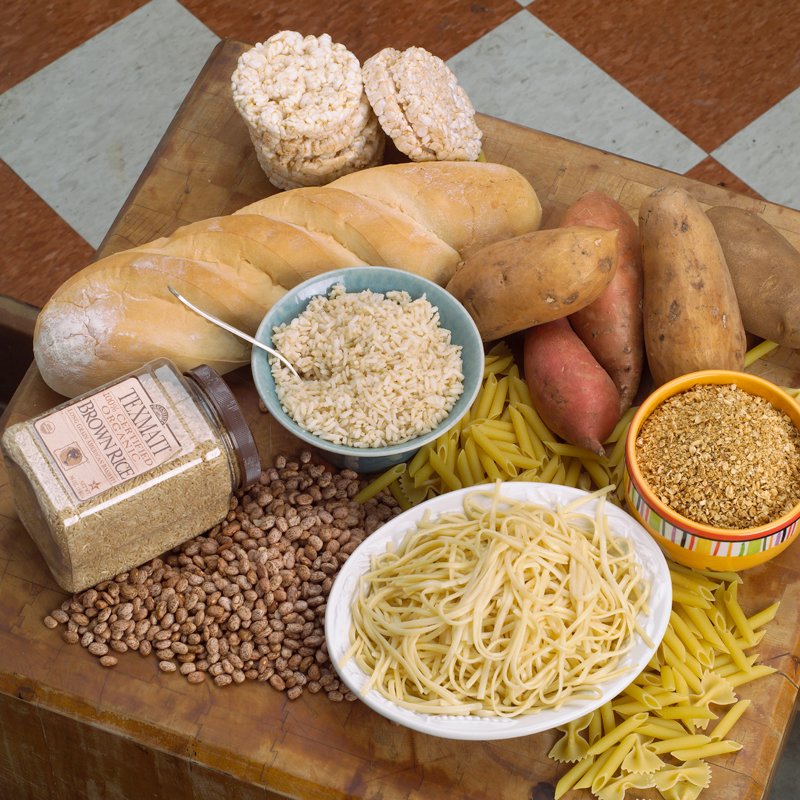 Click Image To Enlarge.
Carbohydrate Intake Is Critical For Athletic Performance.
If a person's diet is excessive in carbohydrates, amylase (the key enzyme responsible for carbohydrate digestion) deficiency may occur due to an over utilization of this enzyme necessary for processing the abundance of carbs. Hypoglycemia and fatigue may result, states hardly conducive to successful athletic performance.
Since sufficient blood glucose and muscle and liver glycogen levels are critical for sustained high intensity endurance work, it is important to ensure that an athlete has an adequate supply during training or an event.
A study published in the prestigious International Journal of Sport Nutrition and Exercise Metabolism (8) sought to delay fatigue and improve exercise performance through the consumption of fungal carbohydrases (Carbogen TM) (the substrate for carbohydrate digestive enzymes) combined with a meal replacement bar by five healthy male subjects one hour prior to two 60 minute cycling sessions at 80 percent VO2 max (of which, in double blind, counter-balanced fashion, each subject consumed either 160mg of the Carbogen TM or a CaCO3 placebo) followed by a time-to-exhaustion ride at 100 percent VO2 max.
The failure for some athletes to achieve a certain objective on game day, or the reason for them hitting 'the wall' could be as much to do with insufficient carbohydrate absorption, storage and utilization as a failure to execute their game plan properly.
| RELATED ARTICLE | |||
|
Author: Jim Brewster 
|

Each subject was also given approximately 50 grams of carbohydrates. The researchers found, after measuring blood glucose, insulin and lactate (a by product of anaerobic metabolism), immediately before, halfway through and after each 60 session, and following the time-to exhaustion ride, that there was a significant treatment and time effect, with the Carbogen TM subjects demonstrating a higher response compared to the placebo group.
A decrease in blood lactate levels, and associated increase in blood glucose at the 30-minute mark among the Carbogen TM subjects is thought to have been associated with a reduced rate of glycogen depletion. A maltodextrin-based, patented, proprietary blend of amylase, cellulase and hemicellulase (three important digestive enzymes necessary for proper carbohydrate absorption), Carbogen TM, it appears, provided these athletes with the ability to properly utilize the carbohydrates they had consumed prior to exercise and showed, yet again, the importance of digestive enzymes on athletic performance.
Concerning bodybuilders, this study's findings could be extrapolated to show that certain enzymes taken at key times might aid strength-training success.
 Click Image To Enlarge.
Certain Enzymes Taken At Key Times
Might Aid Strength-Training Success.
Conclusion
As experience, and science, has shown there is more to optimal nutrition than simply consuming a well-balanced diet comprised of valuable nutrients. The absorption and utilization of the foods we eat provides the full picture for what we as bodybuilders, and those less muscle-focused, should consider complete nutrition for maximal performance.
With digestive enzymes being critical for the breaking down of macronutrients such as proteins, carbohydrates and fats, and transporting of the constituents of these raw materials (including amino acids, glycogen and fatty acids) it is not only wise but also essential to include them in your diet.
Foods and (ideally) supplements packed with enzymes that aid digestion have been shown to amplify results and will help you to build a high-performing, lean, muscle-packed physique. The old maxim of "you are what you eat" could now, it seems, be replaced with "you are what you absorb".
View Digestive System Health Products Sorted By Top Seller Here.
References:
- Borrell, B. (2009). Churn Baby, Churn. Using Virtual Stomachs to Regurgitate the Mysteries of Digestion. Scientific America [online] http://www.scientificamerican.com/article.cfm?id=virtual-stomachs-explain-digestion&page=3
- Digestive enzymes. (2009). Wikipedia. [Online] http://en.wikipedia.org/wiki/Digestive_enzyme
- Nadler, B. (1997). What You Should Know About Digestive Enzymes. Unlimited Visions. [Online] http://www.beverlynadler.com/html/nutrition.html
- Betain. (2009). Wikipedia. [Online] http://en.wikipedia.org/wiki/Betaine
- Medline Plus. (2009). Lipase test. [Online] http://www.nlm.nih.gov/MEDLINEPLUS/ency/article/003465.htm
- University of Maryland medical Center. (2007). [Online] http://www.umm.edu/altmed/articles/lipase-000311.htm
- Oben, J, Kothari, SC, Anderson, ML: An open label study to determine the effects of an oral proteolytic system on whey protein concentration metabolism in healthy males. JISSN 2008 10.1186/1550-2783-5-10
- Frank, LL, Bear, JT, Lambert, CP, Anderson, M: The Effects of a Pre-exercise Feeding With or Without Fungal Carbohydrases (CarbogenTM) on Blood Parameters and Exercise Performance in Elite Cyclists: A Preliminary Study. International Journal of Sports Nutrition and Exercise Metabolism, 2002, 12 282-290